



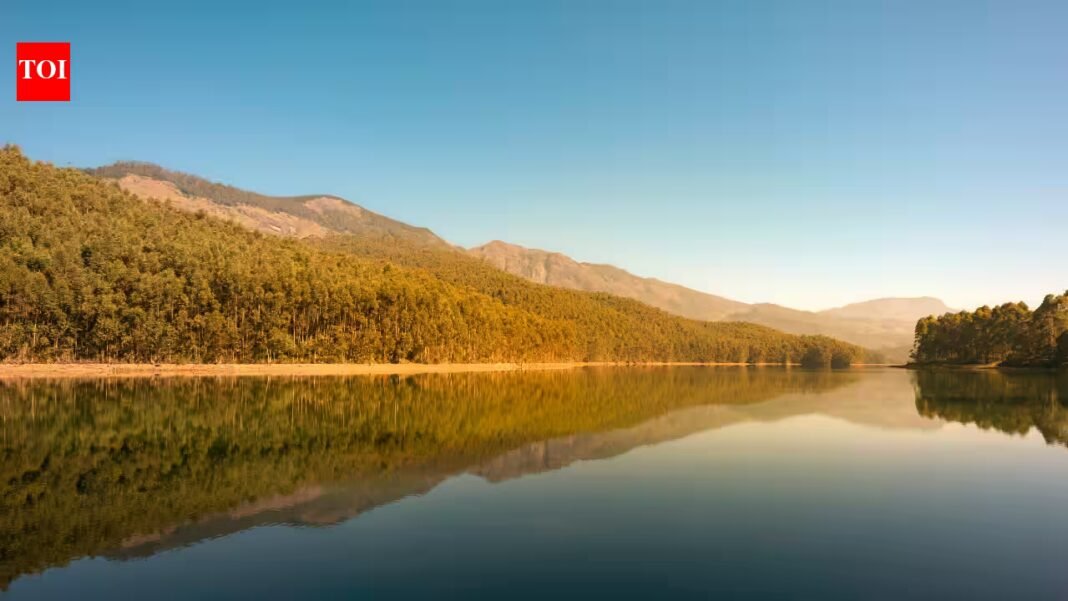
At the edge of Echo Lake in northern Ontario, a stretch of forest, wetlands, cliffs and waterways is set to become more than protected wilderness. It is also part of a larger effort to restore Indigenous stewardship over land with deep cultural roots. Nearly 1,000 acres at the lake’s northeast end will now be protected through a partnership involving Garden River First Nation, the Central Algoma Land Trust and Ontario Nature, states an online report by Sootoday.The 392-hectare property in Kehoe Township will become the Paswe Protected Area, establishing what the partners describe as the region’s first Indigenous Protected and Conserved Area. Paswe is the Anishinaabemowin name for echo, explains the online report.
Returning land to Indigenous stewardship
The property carries significance that extends beyond its ecological value. It was historically part of the Garden River First Nation reserve before colonial-era government reductions altered the community’s original boundaries, explains the online report. And under the new arrangement, the Central Algoma Land Trust will initially hold legal title to the property for five years. The partners intend to then transfer administrative ownership permanently to Garden River First Nation.During the transition, the First Nation’s Guardian Unit will play a central role in managing the land. Its responsibilities will include ecological monitoring, species-at-risk surveys, trail maintenance and supporting community-led ceremonies and traditional harvesting. The arrangement is designed to combine conservation with the cultural responsibilities associated with the landscape, while maintaining sustainable public access.
A critical wildlife corridor
As per the online report, Paswe Protected Area sits within the Bawating and Ketegaunseebee Ecocultural Corridor, a priority cultural and ecological landscape identified by Garden River First Nation, Ontario Nature and other regional partners. The property borders the existing Garden River First Nation reserve and Crown land, connecting directly with more than 20,000 hectares of largely natural territory within the reserve. That continuity creates a substantial wilderness corridor and an important route for wildlife moving across the region.The landscape itself is varied. Mature forests rise around tall cliffs, while wetlands provide additional habitat. The property includes a significant section of the Upper Echo River, which holds deep cultural importance for Garden River First Nation, as well as shorelines along Echo Lake and most of Fairy Lake.
More than 400 species already recorded
Even before a comprehensive inventory has been completed, researchers and conservation partners have documented more than 400 wildlife species across the property. The area provides confirmed or potential habitat for several species at risk, including lake sturgeon, peregrine falcons, Canada warblers and wood thrushes. It also contains stands of black ash, a culturally important tree species that has faced growing ecological pressures, adds the report.Water protection is another major focus. Garden River First Nation is leading an aquatic restoration project in the Upper Echo River basin, with government support, aimed at improving habitat connectivity, restoring native fisheries and managing invasive species.
Public access will continue
As explained in the Sootodya report, protection of the property will not mean closing it off. The partners plan to maintain responsible, low-impact public access, including hiking along the Voyageur Trail, which crosses the area. A detailed management plan is expected to be developed in the coming months. It will establish guidelines for recreation, trail maintenance, ecological monitoring and cultural protection.The result will be a conservation model that links biodiversity protection with Indigenous land stewardship, while keeping the landscape accessible for future generations.Images Courtesy: istock