



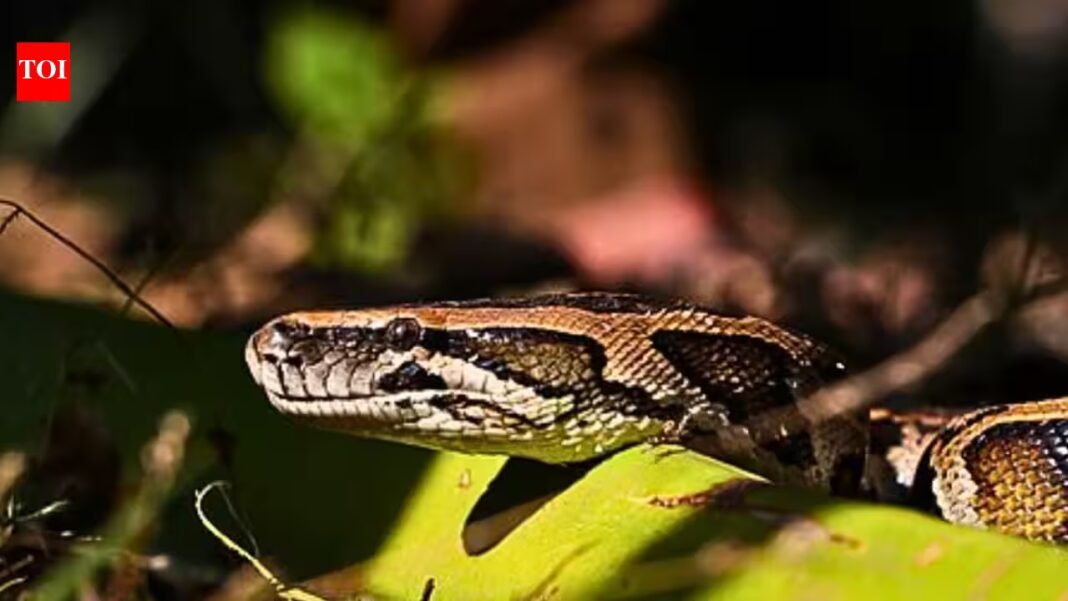
Scientists have developed and optimised python-specific environmental DNA (eDNA) markers to detect Burmese pythons through water samples collected in southern Florida. The work focuses on Stormwater Treatment Areas, the Corkscrew Regional Ecosystem Watershed, and nearby rivers and canals connected to waterways previously sampled. The interconnected canal and river network can help non-native and invasive species spread, which makes python distribution difficult to determine.According to the US Geological Survey (USGS), the scientists used water samples to look for traces of python DNA and estimate where the snakes occur. The project examined possible waterways that could serve as corridors for northward expansion.
How are scientists using eDNA to track Burmese pythons
USGS scientists developed and optimised python-specific eDNA markers to detect Burmese pythons from water samples taken from southern Florida. The project surveyed Stormwater Treatment Areas (STAs), the Corkscrew Regional Ecosystem Watershed (CREW), and adjacent river or canal systems connected to previously sampled waterways. The aim was to improve understanding of where Burmese pythons are found across South Florida.The scientists used eDNA techniques to understand where the snakes occur and estimate their occurrence in the region. These estimates helped identify possible waterways that may be used as corridors for northward expansion. The work focused on waterways because southern Florida has an interconnected network of canals and rivers that can help non-native and invasive aquatic and semi-aquatic species, including Burmese pythons, spread across the region.
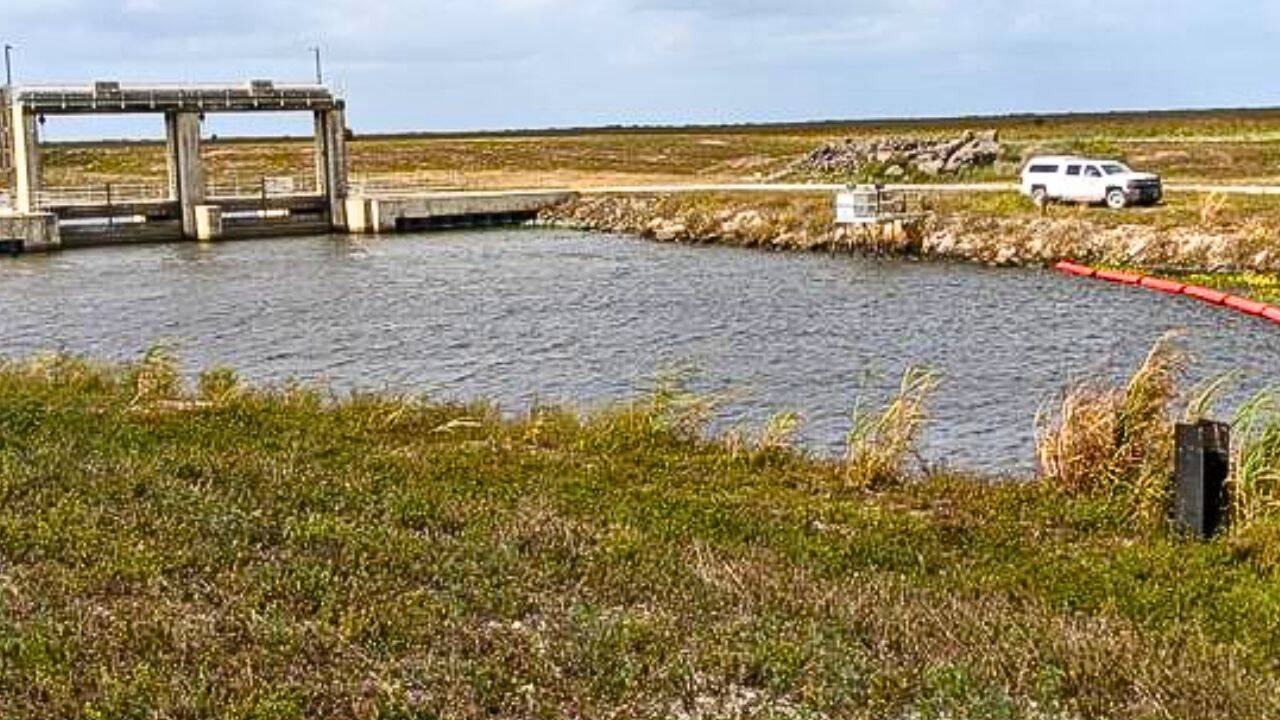
PC: US Geological Survey (USGS)
How were water samples tested for Burmese pythons
Water samples were collected throughout five Stormwater Treatment Areas. Water samples were collected from canals at 38 sampling sites, as well as from lakes, ponds and reservoirs. The water was filtered to concentrate eDNA from the samples. Scientists then isolated the concentrated eDNA using optimised procedures designed to increase eDNA yield and reduce inhibitors such as tannins and humic acid, compounds characteristic of tea-coloured waters.To detect Burmese pythons, the researchers developed and optimised three species-specific markers, consisting of two primers and a fluorescently labelled probe. These markers were used on a droplet digital polymerase chain reaction (ddPCR) platform. According to USGS, ddPCR has higher accuracy and precision than quantitative PCR (qPCR) and can detect a single molecule of DNA from an environmental sample.
Why detecting Burmese pythons through eDNA is challenging
Detecting Burmese python eDNA is challenging because the snakes are semi-aquatic reptiles that shed limited amounts of DNA directly into water bodies. Low python densities can also result in lower eDNA concentrations. Southern Florida adds challenges, including large suspended sediment, high microbial communities, and environmental inhibitors in water samples.These conditions can make detection difficult and can limit the ability to draw conclusive information from negative results. Sampling design is important because weak sampling can lead to false-negative eDNA results. It should consider species density as well as differences in habitat and land use. According to USGS, adaptive sampling methods and estimates of occurrence and detection can increase confidence in both positive and negative eDNA results.
Next steps for improving python detection
The USGS says data from previous years will be used to refine sampling methods because expanding Burmese python populations may have low densities and low concentrations of snake eDNA. Accurate sampling of the region’s water bodies can be difficult, and data collection will likely vary by habitat type. More sampling or alternative sampling locations throughout the study area may be needed to estimate Burmese python range delimitation. Limited water flow can also concentrate inhibitors in these areas. Many samples contained inhibitors even after extra removal processes. Ongoing efforts are focused on improving the removal of PCR inhibitors to support better data analysis. The project continues to refine detection methods for detecting Burmese pythons and estimating their distribution in southern Florida waterways.