





In a recent update, an IndiGo flight from Patna to Lucknow was caught in severe weather during its approach to Lucknow on October 7. The flight was hit by lightning which left the aircraft’s nose section damaged. The aircraft was carrying 104 passengers and six crew members, all of whom were reported safe after the plane landed normally at Chaudhary Charan Singh International Airport, Lucknow.An official source said, “Lightning strikes on commercial aircraft are uncommon but not unusual. Modern aircraft are designed to safely dissipate the electrical charge through the fuselage, allowing flights to continue safely. However, every such incident is followed by a comprehensive engineering inspection before the aircraft is cleared for further operations.”What happened at 17,000 ft
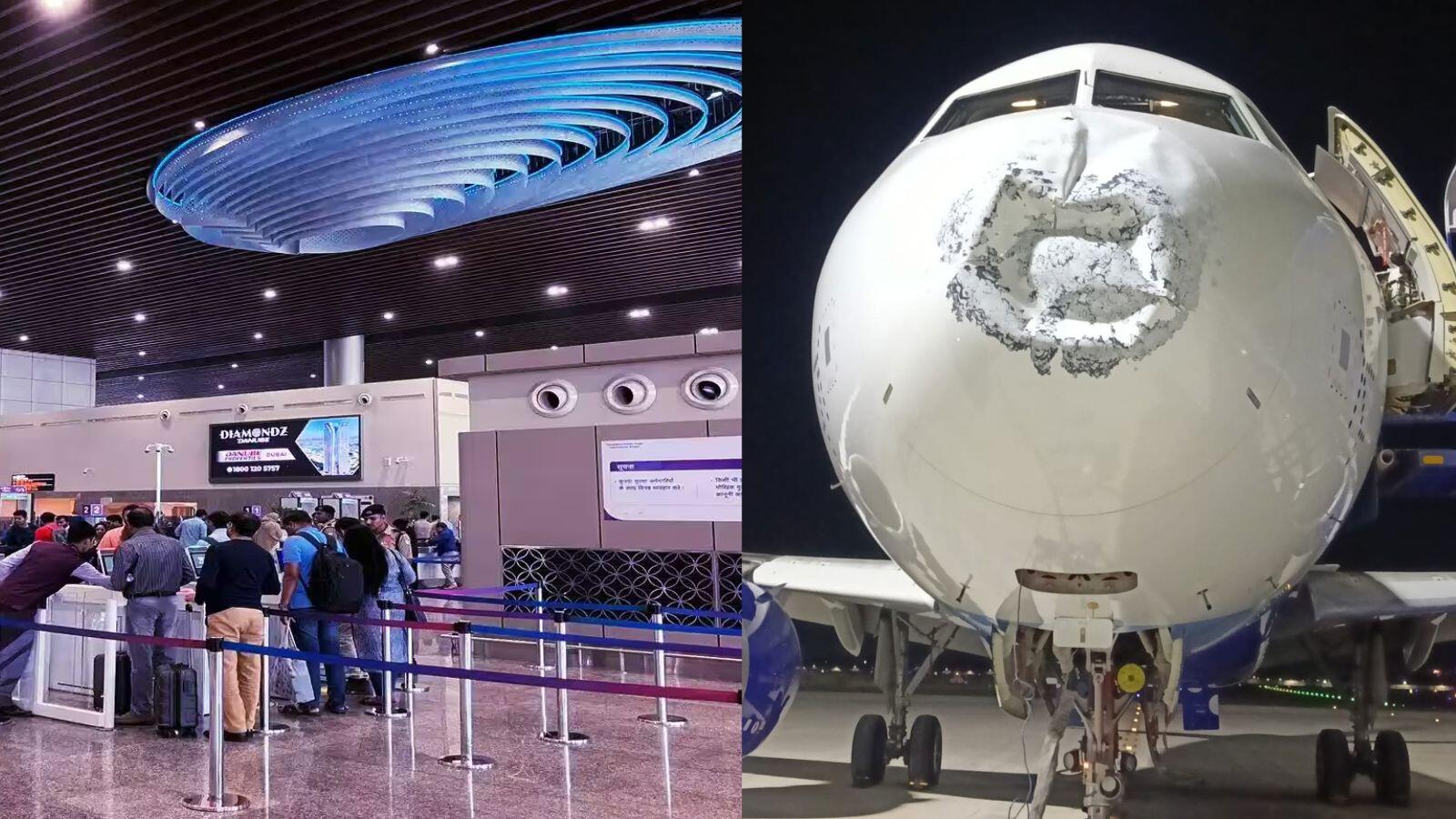
17 हजार फीट पर विमान से टकराई आकाशीय बिजली
As per preliminary reports, the aircraft encountered the weather disturbance at around 17,000 feet. While several reports described the incident as a lightning strike, the exact cause of the damage is still being examined. IndiGo said the flight encountered unfavourable weather, including a hailstorm during the landing phase, which resulted in damage to the aircraft’s radome, the protective structure covering its weather radar at the nose.The aircraftThe aircraft was operating IndiGo flight 6E925 on the Patna-Lucknow sector. Reports said it was approaching Lucknow when the plane was hit by severe weather at an altitude of approximately 17,000 feet.There were 110 people on board including 104 passengers and six crew members. Despite the mid-air scare and subsequent damage to the nose section, the aircraft continued its approach and landed safely at Lucknow airport at around 4:04 PM, approximately eight minutes ahead of its scheduled arrival time.Importantly, airport officials said the aircraft landed normally, rather than making an emergency landing as some initial reports suggested.Aircraft nose damaged

Plane stuck in bad weather (Canva)
Following the landing, airport personnel noticed damage to the aircraft’s nose and informed IndiGo. The aircraft was subsequently declared Aircraft on Ground (AOG) and taken out of service for detailed technical inspection. IndiGo said the aircraft’s radome was damaged and that the aircraft would undergo necessary maintenance before returning to service.The incident has also been reported to the Directorate General of Civil Aviation (DGCA), which has initiated an examination of the circumstances surrounding the event.Was it a lightning strike?Several initial reports described the aircraft as having been struck by lightning. However, IndiGo’s statement specifically referred to unfavourable weather, including hail, and damage to the radome. The exact cause will be determined after the technical inspection.The distinction is important because the aircraft’s nose radome is designed to protect the weather radar while allowing radar signals to pass through. Severe hail or other weather-related impacts can damage this structure, while lightning strikes can also require aircraft inspection even when passengers remain unaffected.Can aircraft survive lightning strikes?
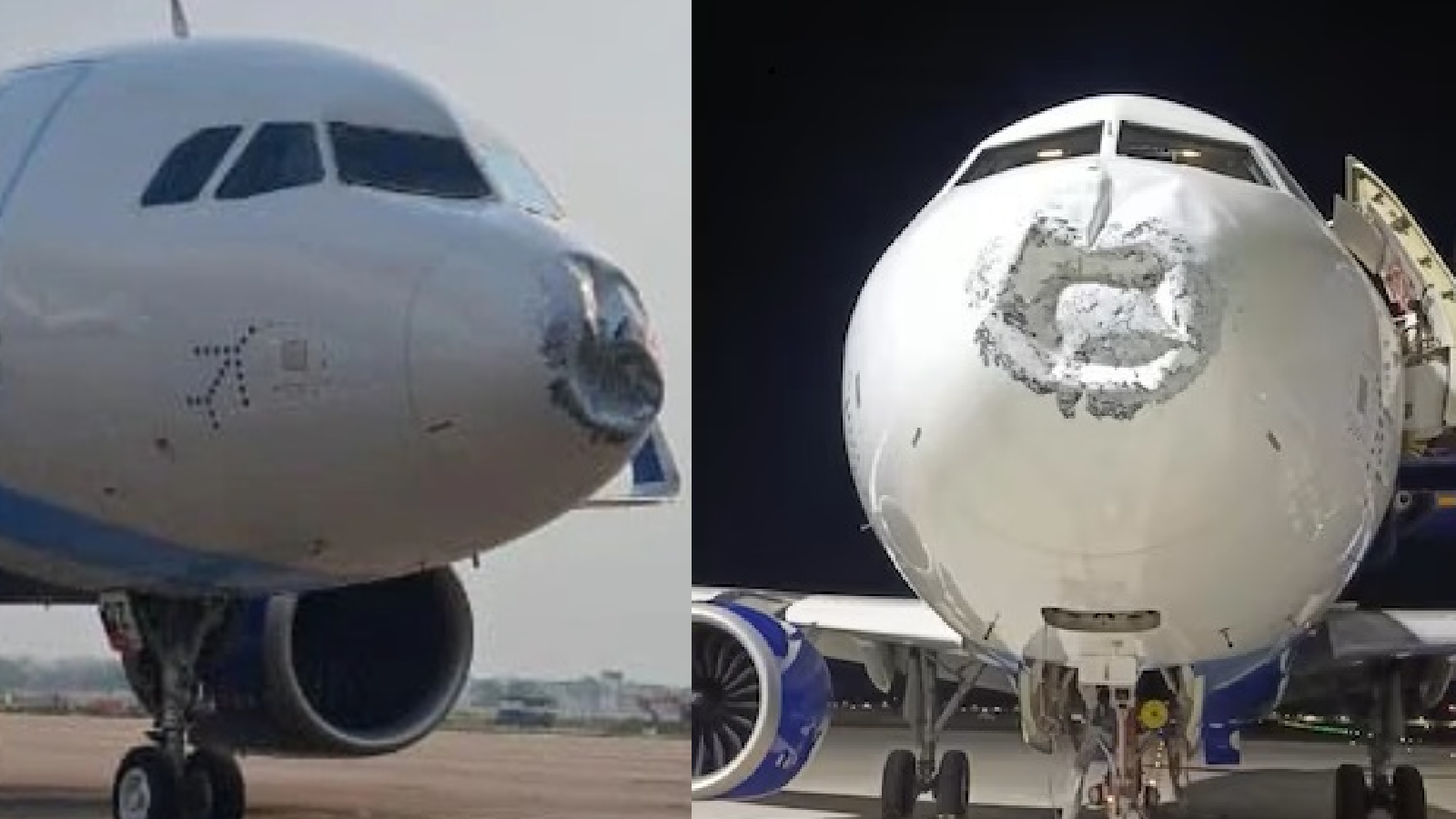
ഇൻഡിഗോ വിമാനത്തിന് ആകാശത്തുവെച്ച് മിന്നലേറ്റു.
Lightning strikes involving aircraft can be alarming for passengers, but modern commercial aircraft are designed with protection against lightning-related electrical effects.The aircraft’s outer structure provides a pathway for electrical current to travel around the exterior rather than through the passenger cabin. However, a suspected lightning strike still requires a thorough inspection because components, sensors or external structures may sustain damage.For now, the damaged IndiGo aircraft remains grounded while technical teams conduct inspections.