




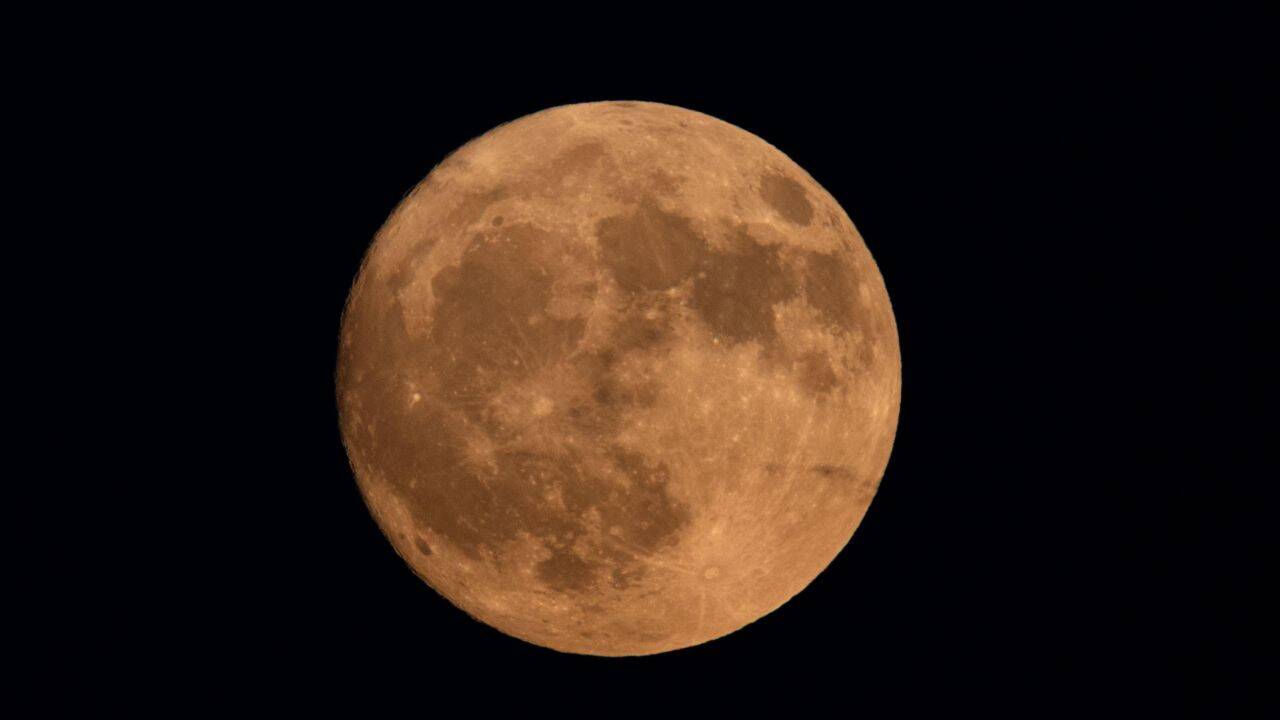
July 2026 is set to bring one of the year’s most recognisable full moons, with the Buck Moon lighting up the night sky. The Buck Moon 2026 is going to reach its brightest phase on July 29, offering skywatchers around the world a chance to witness a brilliant lunar display. Though the full moon phase takes place during the daytime for many places, the moon will be close to being full in several days and can be viewed without much effort. The special name given to the moon has a reason since it is named due to the season when bucks start growing their antlers.In addition to its beauty, the Buck Moon has significance in culture and history, with people naming the moon depending on the seasons.
July 2026 Buck Moon: When to see the full moon
The Buck Moon will reach its peak on Wednesday, July 29, 2026. The exact moment of the full moon will occur at 10:36 am Eastern Time, according to astronomical calendars, which means the brightest phase will happen during daylight hours for many observers. A full moon appears almost completely illuminated for several nights around its peak, so people will have opportunities to view it on the evenings before and after July 29.For the best view, observers should look toward the eastern horizon as the moon rises after sunset. Clear skies and limited cloud cover will make the biggest difference, while locations away from strong city lighting can provide a better view of the night sky.
Why July’s full moon is called the ‘Buck Moon’
Reportedly, the name Buck Moon comes from the seasonal changes taking place among male deer during this time of year. Bucks begin growing new antlers in spring, but July is when the growth becomes especially noticeable.During the summer months, developing antlers can expand rapidly before they harden later in the year. The connection between the moon’s name and deer behaviour comes from traditional seasonal observations used by Indigenous communities, early settlers and farming societies to mark changes throughout the year.Many full moons carry these older names, often linked to weather, plants, animals or agricultural cycles. July’s moon has also been given several other names over time, reflecting different traditions and regions.
Other names linked to July’s full moon
The Buck Moon is not the only name associated with the July full moon. It has also been called the Thunder Moon because summer storms are common in many parts of the world during this period.Other traditional names include the Hay Moon, linked to the summer hay harvest, and the Salmon Moon, a name connected with seasonal fishing patterns. Some cultures have also referred to it as the Raspberry Moon or Halfway Summer Moon.
How to watch the full moon
Watching the Buck Moon does not require special equipment. A clear view of the sky is usually enough, although binoculars can help reveal more detail on the lunar surface.Before heading outside, checking local weather conditions can save a disappointing night of cloud-covered skies. Areas with less artificial light generally offer better views, especially for those hoping to see nearby stars or meteor activity.A comfortable place to sit, suitable clothing for the evening temperature and protection against insects can make longer viewing sessions easier. The moon will be visible without any special preparation, but a little planning can help make the experience more enjoyable.
The Buck Moon’s connection to lunar history
This year’s July full moon also comes shortly after the anniversary of one of humanity’s most famous lunar milestones. July 20, 2026, is the day when Apollo 11 was launched, sending Neil Armstrong, an astronaut who became the first human to step foot on the surface of the moon, into space way back in 1969.Although the Buck Moon is a phenomenon not associated directly with space exploration, its occurrence at such a time provides a chance to reflect upon the significance of the moon within science and culture for many generations.