



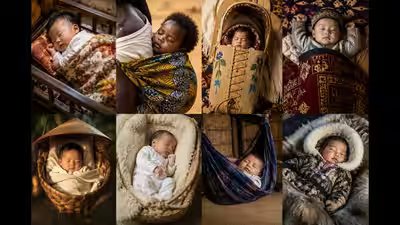
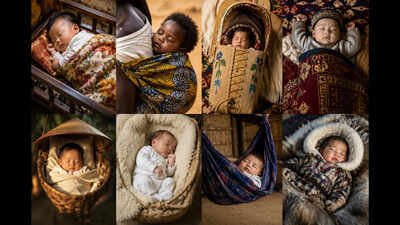
There is no single “right” way to help a baby sleep. Around the world, families have developed bedtime traditions shaped by culture, climate, family structure and generations of experience. While modern parenting advice often focuses on sleep schedules and independent sleep, many communities continue to embrace age-old practices centred on closeness, routine and comfort. Here are 10 fascinating ways babies sleep across different cultures.
Japan: Sleeping side by side
In many Japanese households, babies sleep alongside their parents on futons placed directly on the floor, a practice known as co-sleeping. Families often arrange themselves in the shape of the Japanese character for a river, with the child sleeping safely between the parents. The tradition reflects the cultural value of closeness and emotional security, although experts continue to recommend following safe sleep guidelines for infants.
28 Jul 2026 | 16:38
What factors did you consider, or would consider, before choosing the right school for your child?
India: Gentle lullabies and family care
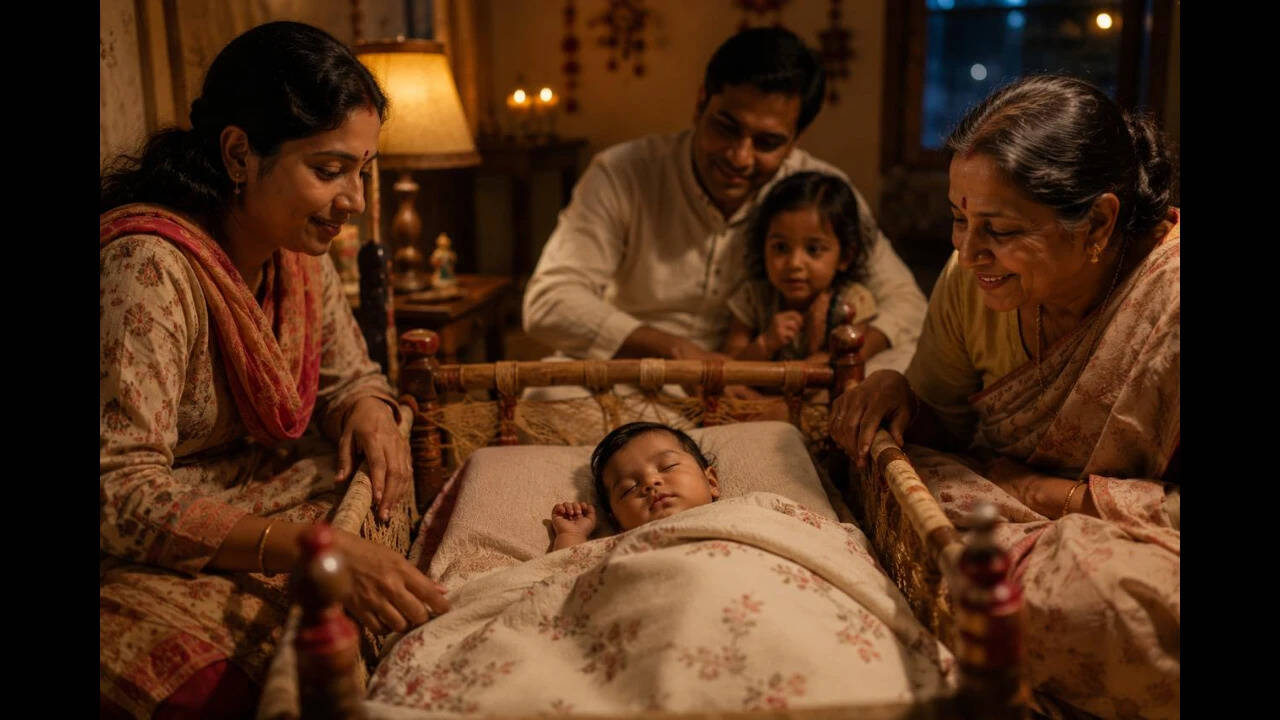
Across India, bedtime often includes soothing lullabies, gentle rocking and the comforting presence of grandparents or extended family members. In many homes, babies sleep close to their caregivers during the early months, making nighttime feeding and care easier. Traditions vary across regions, but family involvement remains a defining feature.
Finland: The famous baby box
For decades, new parents in Finland have received a government-issued baby box filled with clothing, blankets and essential supplies. The sturdy cardboard box also comes with a firm mattress, allowing it to serve as a baby’s first sleeping space. Introduced to improve infant health, the initiative has become one of Finland’s most recognised parenting traditions.
Sweden: Fresh-air naps
It is not unusual to see babies in Sweden taking daytime naps outdoors, even during cold weather. Wrapped in warm clothing and tucked securely into prams, infants often sleep outside while parents remain nearby. Many Swedish families believe fresh air helps babies sleep longer, provided they are dressed appropriately and protected from extreme conditions.
New Zealand: Māori woven bassinets
Some Māori families use beautifully handcrafted woven bassinets known as wahakura. Traditionally made from flax, these portable sleeping baskets allow babies to sleep close to their caregivers while providing a separate sleep space. Today, they are also recognised as a culturally meaningful approach to supporting safer infant sleep.
South Korea: Warm sleeping floors
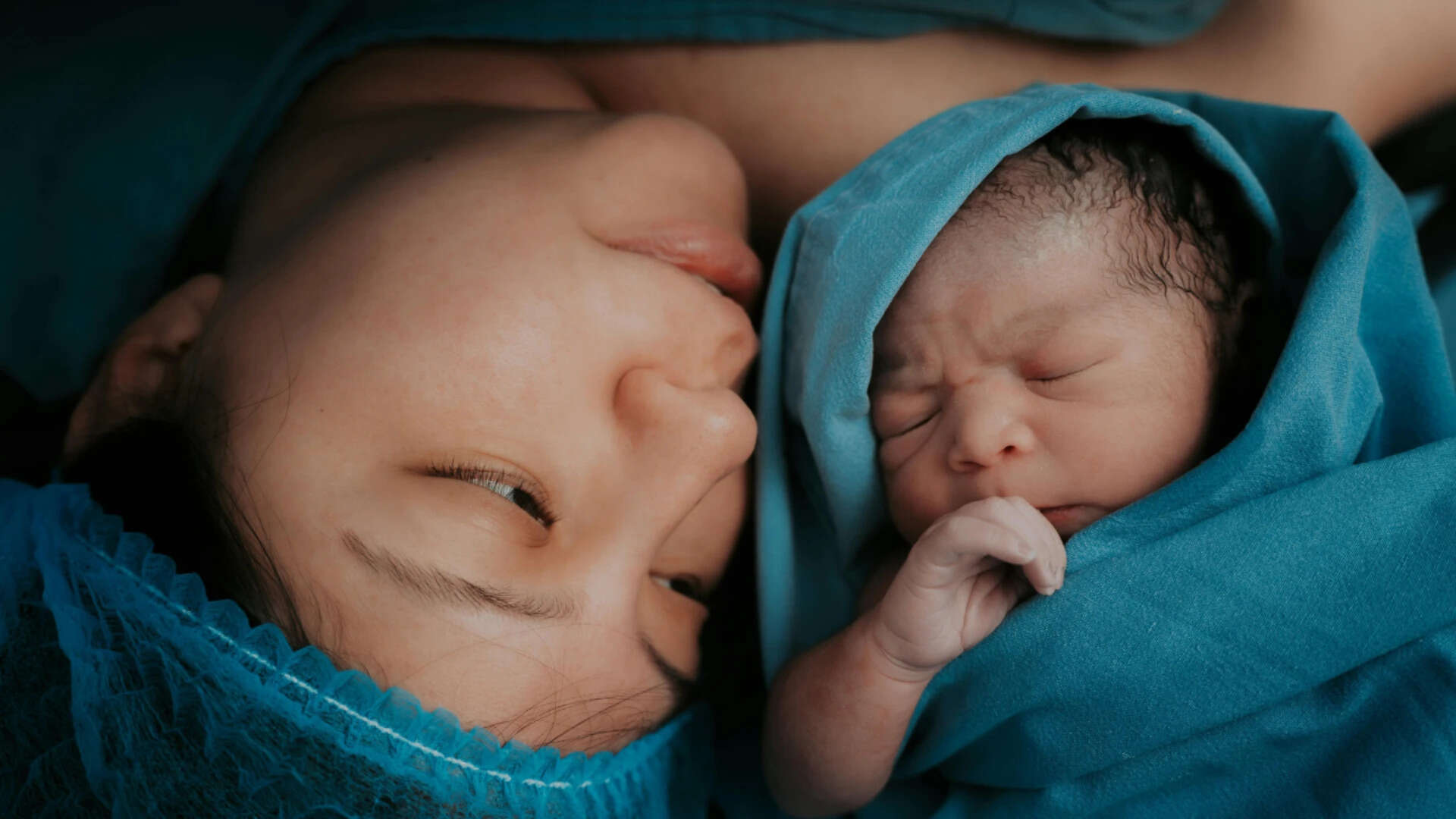
Traditional Korean homes feature ondol, an underfloor heating system that keeps floors comfortably warm. Families often spread bedding directly on the heated floor, where babies sleep alongside parents. Although modern homes have evolved, the tradition of floor sleeping remains common in many households.
Nigeria: Babywearing through the day
In many Nigerian communities, babies spend much of the day securely tied to a caregiver’s back using colourful cloth wraps. Frequent contact and movement often help infants nap naturally before settling into sleep later in the evening. The practice also allows parents to continue daily activities while keeping their babies close.
Norway: Outdoor naps in prams
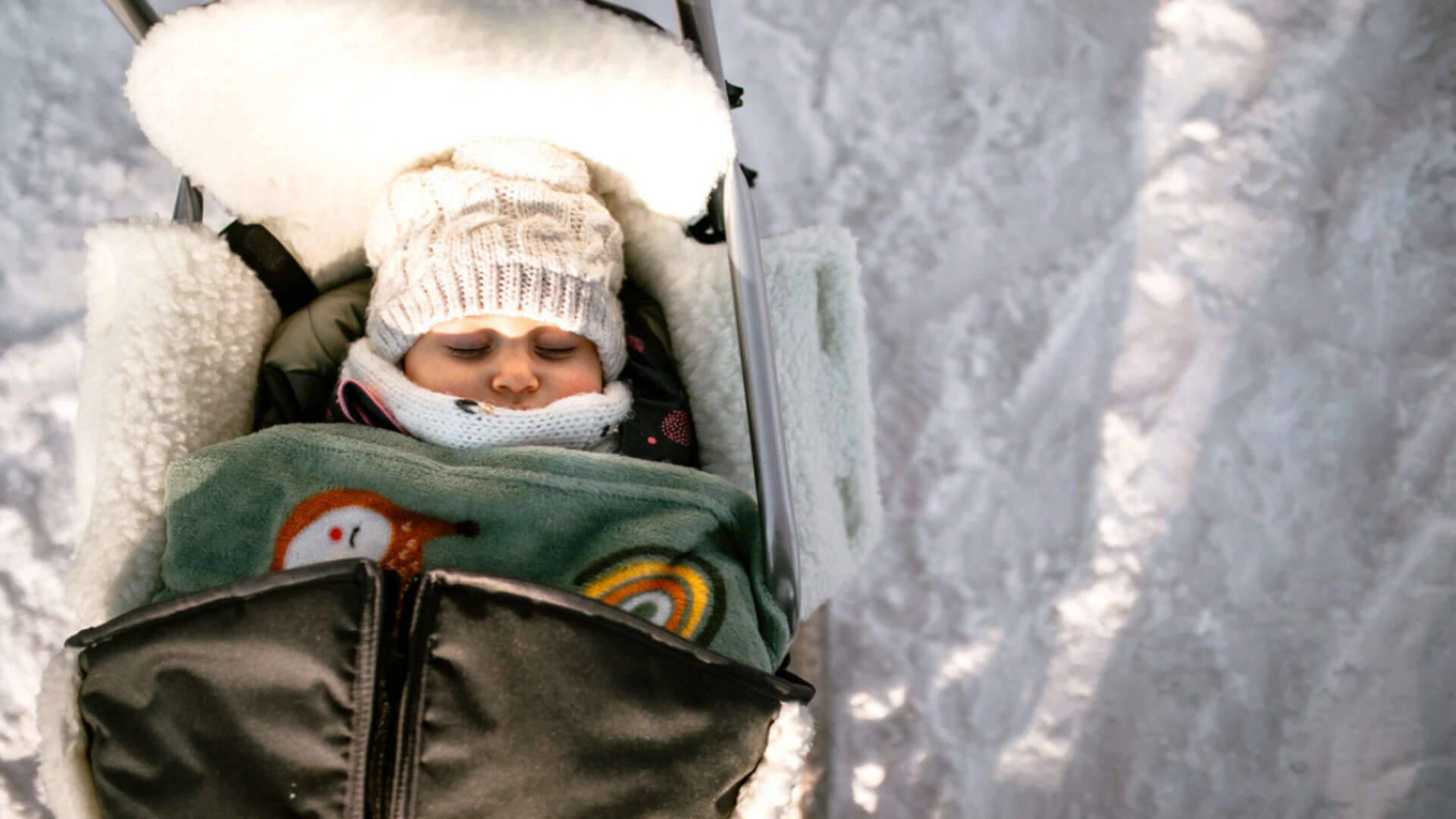
Like their Swedish neighbours, many Norwegian parents encourage daytime naps outside. Babies are bundled warmly in insulated prams and placed in safe outdoor spaces while caregivers remain within sight. The tradition is widely accepted, with parents believing fresh air encourages restful sleep.
Guatemala: Handmade woven blankets
In parts of Guatemala, babies are often wrapped snugly in colourful handwoven blankets during rest. Swaddling has long been used in many cultures to provide warmth and a sense of security for young infants. Health experts advise that swaddling should always allow healthy hip movement and should be stopped once babies begin attempting to roll over.
Spain: Flexible family evenings
Dinner in Spain often begins later than in many other countries, and family life extends well into the evening. As a result, babies and young children may stay awake later than their peers elsewhere, often joining family gatherings before bedtime. Rather than following an early bedtime, many families adapt children’s sleep routines to fit their daily social rhythm.