



For new parents, there is something almost irresistible about making a baby’s crib look cosy. A soft blanket tucked around tiny legs, a pillow placed nearby, a stuffed toy in the corner and perhaps a bumper around the crib can make the sleeping space feel warm, comfortable and complete.
28 Jul 2026 | 16:27
What was the most useful baby product during the first six months?
But when it comes to newborns and young infants, a sleep space that looks comforting to an adult may actually create unnecessary risks. The safest infant sleep environment is surprisingly simple: a baby on their back, on a firm, flat surface, with a fitted sheet and nothing loose around them.
Why loose blankets can become dangerous
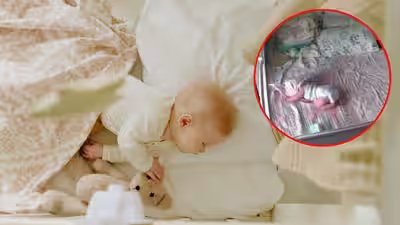
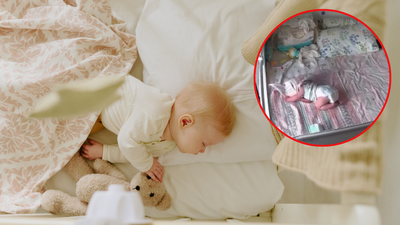
A blanket may seem harmless when a newborn is placed neatly underneath it. The problem is that babies do not have the same ability as older children or adults to reposition themselves if fabric moves over their face.This video shows a baby stuck in a similar situation.Many users expressed concerns in the comments section over the baby’s situation. A loose blanket, quilt, comforter or pillow can cover the nose and mouth, obstruct the airway or create a situation in which the baby repeatedly breathes the same air. Soft materials can also allow an infant’s face to sink into the surface.
The “bare crib” rule has a reason
For a newborn, an empty crib can look almost unfinished to a parent. But from a safety perspective, that is exactly the point. The American Academy of Pediatrics (AAP) recommends a firm sleep surface covered with a fitted sheet and no other bedding or soft objects. Research reviewed by the organisation suggests that soft mattresses and materials can create pockets or indentations around an infant’s face, potentially interfering with breathing.This is also why adding a pillow underneath the baby’s head is not recommended, even if parents believe it will make the baby more comfortable.
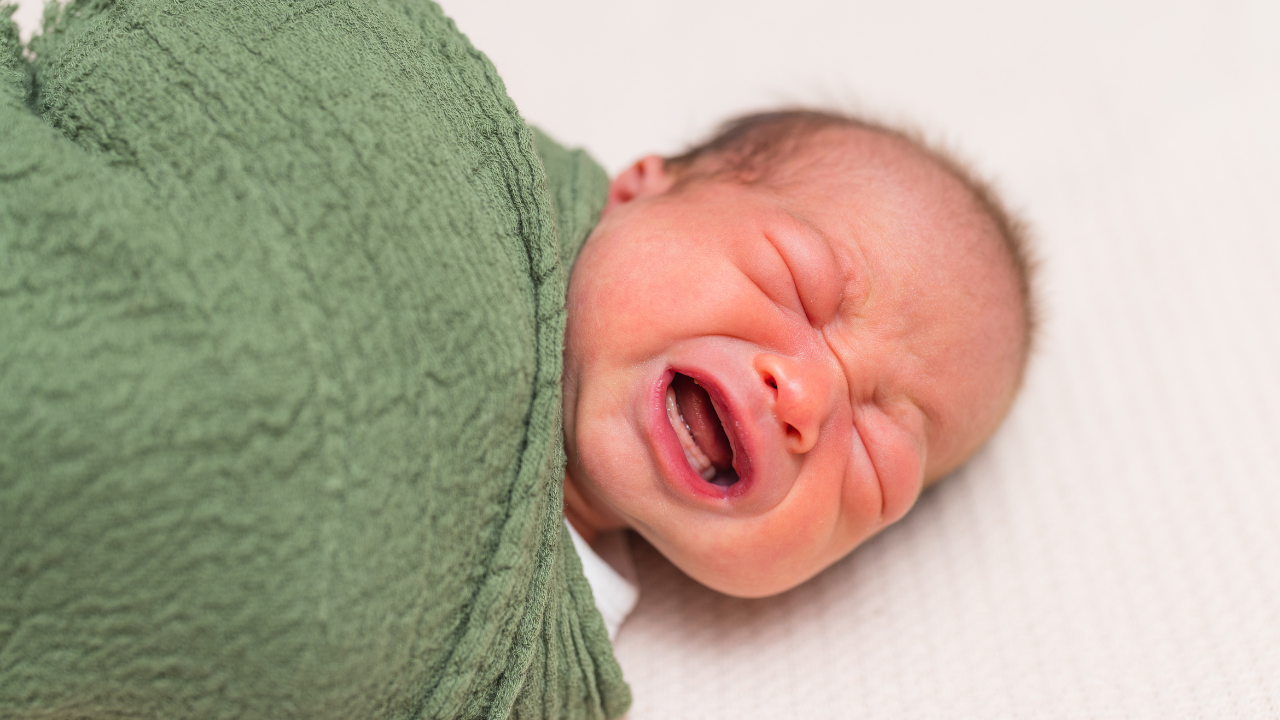
File Photo: Canva
“But won’t my baby feel cold?”
This is one of the most understandable concerns, particularly during winter or in homes where temperatures drop at night. The answer is not to pile blankets around the baby. Instead, parents can use appropriately sized infant sleep clothing, such as a wearable blanket or sleep sack. These allow the baby to stay warm without loose fabric that can move over the face.TheUS Centers for Disease Control and Prevention lists a wearable blanket as a safer alternative to loose blankets.Parents should also be careful about overheating. The CDC advises against covering a baby’s head and recommends watching for signs such as sweating or a chest that feels hot.Note- A wearable blanket is not the same as a weighted sleep product. The CDC specifically advises against weighted sleepers, swaddles, sleep sacks and blankets for infants.
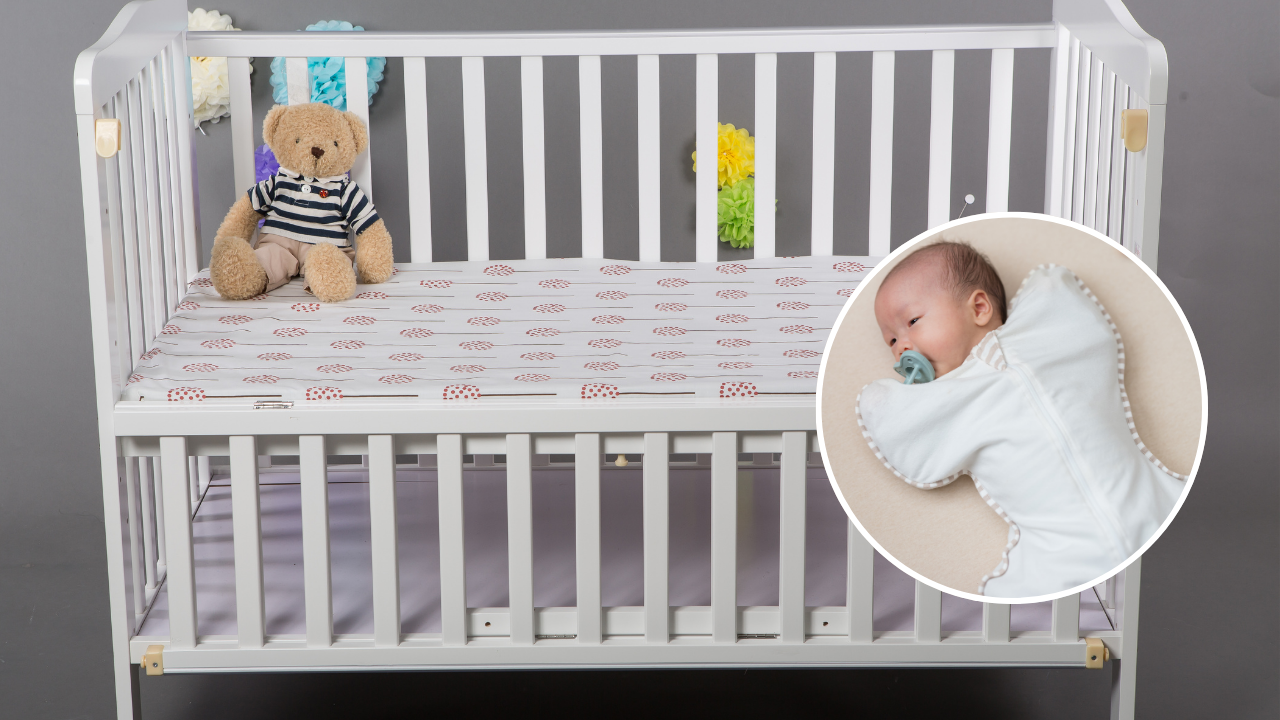
File Photo: Canva
A simple checklist for parents
Before putting a newborn or young infant down to sleep, parents can take a few seconds to check:
- Baby is on their back.
- The mattress is firm, flat and non-inclined.
- The sheet fits tightly.
- There are no pillows, quilts, comforters or loose blankets.
- There are no stuffed toys or crib bumpers.
- The baby’s face and head are uncovered.
- The baby is not overheating.
- If warmth is needed, an appropriately sized, non-weighted wearable blanket can replace loose bedding.
The baby sleeps in their own infant sleep space, ideally in the parents’ room.These recommendations are not meant to make parents anxious about every sleep. In fact, the goal is almost the opposite: to make safe sleep simple enough that parents do not have to constantly second-guess themselves.Disclaimer: These recommendations apply to generally healthy infants. Babies with specific medical conditions may require individual advice from their paediatrician.