



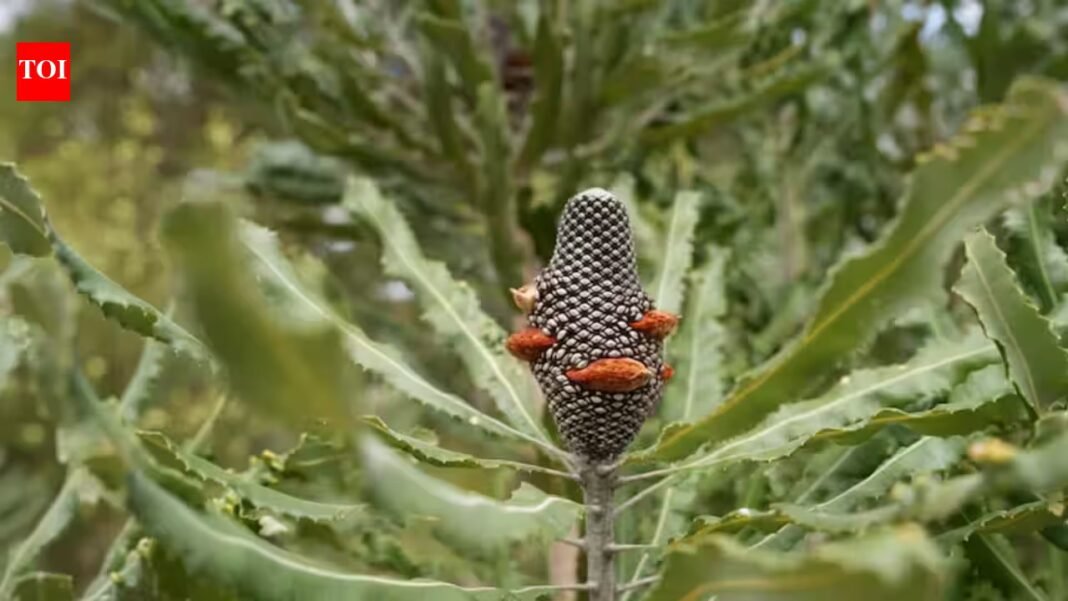

Nearly a decade after a controversial highway project damaged sensitive bushland in Western Australia, a long-running rehabilitation effort is showing encouraging signs of ecological recovery, although restoring the landscape to its former condition remains a distant goal. According to a report by ABC News journalist Lauren Smith, a recent survey of the former Roe 8 highway corridor recorded 97 animal species across 18 hectares, alongside a substantial return of native vegetation. Information published by the City of Cockburn and the Western Australian government also outlines the continuing effort to rehabilitate the damaged land and protect the surrounding Beeliar Wetlands. Scroll down to read more…
A highway project that left a lasting mark
The Roe 8 extension was planned as part of the Perth Freight Link, a major road infrastructure proposal intended to improve freight access to Fremantle Port and ease congestion on surrounding roads. The project, however, became the focus of intense environmental opposition because its proposed route passed through ecologically sensitive bushland and wetlands.Preliminary work began in 2016, and land clearing escalated in early 2017. Conservationists warned that the destruction would damage habitats used by native wildlife, including Carnaby’s black cockatoos. The dispute drew protesters, environmental campaigners and government authorities into a prolonged confrontation over the future of the area.The political direction changed after the Labor Party won Western Australia’s state election in March 2017, suspending construction. Rehabilitation subsequently became a central part of efforts to address the environmental damage left behind. The state government formally closed the wider Roe 8 and Roe 9 Perth Freight Link project in January 2025, removing the road reservation that had allowed the proposed route to proceed.
Native vegetation and wildlife return
The rehabilitation programme, funded by Main Roads Western Australia and managed by the City of Cockburn, has focused on rebuilding vegetation and improving habitat across the cleared corridor. According to the latest survey results reported by ABC News, more than 4,300 animal detections were recorded, representing 97 different species. The survey also identified the return of several species to the area, including Carnaby’s black cockatoos and quendas, a small native marsupial also known as the southern brown bandicoot.More than 280,000 seedlings were planted during the earlier stages of rehabilitation. The programme has since seen native vegetation re-establish across the damaged land, with the number of plants estimated to have risen from virtually none in the cleared sections to more than 200,000.The findings suggest that sustained revegetation and habitat management can help degraded landscapes recover. However, the presence of wildlife and returning vegetation does not necessarily mean that the original ecosystem has been fully restored.
Why recovery remains difficult
Rebuilding a natural landscape is more complicated than planting trees and shrubs. Some native species are difficult to propagate, while others depend on specific environmental conditions to establish themselves.Orchids, for example, must return naturally to the corridor rather than being planted as part of the restoration effort. The exposed ground also creates a hotter microclimate, making it harder for certain native plants to survive and grow. These challenges highlight the difference between restoring visible greenery and rebuilding a functioning ecosystem. The wetlands and surrounding bushland developed over long periods, supporting intricate relationships between vegetation, insects, birds and other wildlife that cannot be recreated overnight.The City of Cockburn’s rehabilitation programme follows a 10-year management plan covering the corridor’s different habitats, with monitoring and community participation forming important parts of the work.
A long road ahead
The progress has offered encouragement to people who opposed the highway’s construction and later became involved in repairing the damaged landscape. Yet local officials have stressed that the recovery remains incomplete. Cockburn Mayor Logan Howlett has estimated that the bushland has returned to roughly 30 per cent of the condition it should eventually reach. The rehabilitation programme’s achievements therefore represent an important stage in a much longer process rather than a final measure of success.The programme is approaching the end of its original 10-year period, but local leaders want restoration work to continue beyond that milestone. Further monitoring, weed management, revegetation and protection of returning wildlife will remain important to the corridor’s future.The Roe 8 experience also leaves a broader lesson for environmental planning: the consequences of clearing established natural habitats can persist long after a development project has been abandoned. Although thousands of seedlings and the return of native animals demonstrate meaningful progress, recovering the ecological complexity of the original landscape may take generations.