



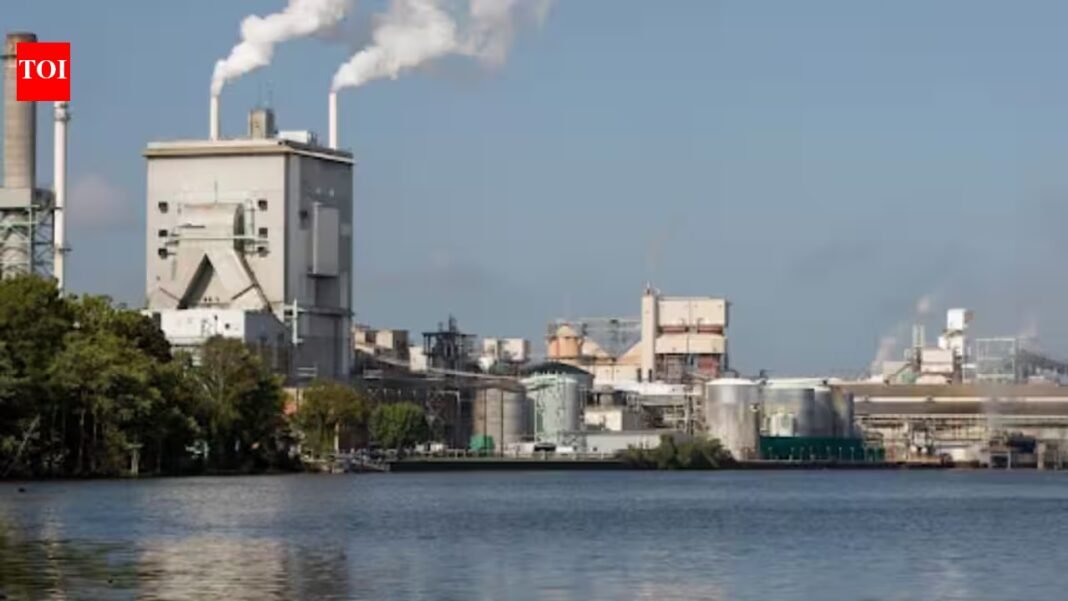
For more than half a century, pollution from a pulp and paper mill has left its mark on North Carolina’s lower Roanoke River, affecting fish, wetlands and other natural resources. Now, a proposed restoration plan aims to address some of that long-term damage by protecting floodplain habitat, reconnecting historic waterways and improving conditions for fish and wildlife. According to the National Oceanic and Atmospheric Administration (NOAA), federal and state natural resource trustees have proposed restoration projects to compensate for injuries linked to hazardous-substance releases from the former Plymouth Mill. The proposal includes wetland conservation and habitat restoration across the lower Roanoke River system.
Decades of pollution affected the lower Roanoke River
The Plymouth Mill began operating in 1937 as a wood and paper products manufacturing facility. Over subsequent decades, industrial operations at the site resulted in hazardous substances being released into groundwater, soil, Welch Creek and the Roanoke River. Contaminants identified in the area include dioxins, furans, mercury and volatile organic compounds.The pollution affected aquatic ecosystems as contaminants accumulated in fish and other species. A fish consumption advisory associated with the contamination has remained in place for decades. The mill also withdrew water from the Roanoke River for its manufacturing operations, drawing larval fish into the facility and contributing to impacts on fish populations and recreational fishing. The mill’s ownership has since changed. The facility is now owned by Domtar Paper Company, which assumed responsibility for addressing the site’s environmental liabilities after acquiring the property from Weyerhaeuser. The proposed agreement involves Domtar funding or carrying out restoration measures to compensate for natural-resource injuries associated with the former mill’s pollution.
Proposed plan would protect wetlands and reconnect floodplains
One of the central elements of the proposed restoration plan is the protection of approximately 760 acres of forested wetlands at Warren Neck through a conservation deed restriction. According to NOAA and North Carolina DEQ, the area provides fish nursery habitat that is important to the health of the Roanoke River.The proposal also includes about $1.75 million for floodplain reconnection, wetland protection and fish-passage improvements. The project could repair up to five lost natural connections by restoring habitat and installing water crossings and fish-friendly culverts. It is expected to reconnect about three miles of historic stream channels to their natural flow and flood regime while improving more than 600 acres of habitat. Together, these measures are intended to address natural-resource losses associated with the mill while protecting areas that support fish and other wildlife in the lower river system.
Previous actions have already reduced some impacts
The proposed restoration follows earlier efforts to address damage associated with the Plymouth Mill. Under the natural-resource damage assessment process, trustees previously selected measures aimed at reducing fish mortality caused by the mill’s cooling-water intake. Domtar voluntarily implemented modifications that reduced the volume of water withdrawn from the Roanoke River. The company has also received proposed settlement credit for previous improvements to the Plymouth boat ramp and waterfront park, lighting improvements and the installation of high-capacity cooling-water towers that eliminated river withdrawals for cooling purposes.The pollution cleanup itself has also continued. According to Inside Climate News, Domtar has spent at least $5.5 million on remediation since 2011, including measures to contain contaminated sediment in Welch Creek.
Public can comment on the proposed restoration
The restoration plan is part of a proposed consent decree submitted in federal court by the North Carolina Department of Environmental Quality, NOAA and the U.S. Fish and Wildlife Service. The agreement is being pursued under the Comprehensive Environmental Response, Compensation and Liability Act, through the natural-resource damage assessment and restoration process. The proposed work would focus not only on individual contaminated areas but also on protecting and reconnecting the wider floodplain and aquatic habitat. The Roanoke River supports diverse fish populations and extensive bottomland forests, making the lower river an important ecological area.The restoration plan is currently subject to public review. NOAA’s restoration programme has invited comments on the proposed projects, while the proposed consent decree is also undergoing the federal public-comment process. The agencies will consider comments before the proposed settlement and restoration measures move forward.