



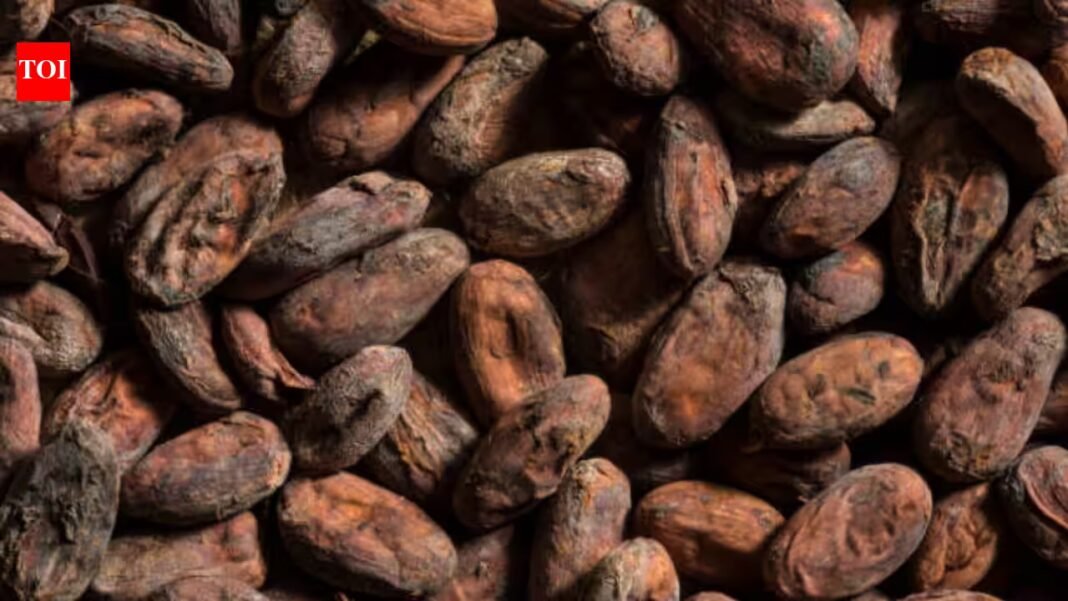
Chocolate has been providing a sugar high to humans for centuries, enough to inspire them to build monuments too. A new genetic analysis of pottery pieces near the Etowah Indian Mounds has revealed the earliest known traces of cacao east of the Mississippi River, according to Smithsonian Magazine, citing a study published in PLOS One on August 26.According to the study, the cacao beans reached Etowah by around the 11th century, citing new evidence of traces of the substance in North America. “This study presents the first evidence that cacao consumption was part of the Mississippian world at roughly the same time as it appeared at Chaco [Canyon],” the study reads. “This discovery at Etowah asks us to broaden our understanding of the networks that distributed cacao throughout the Americas before European colonisation.” “The Indigenous world of the Southeast was an international world, where people were very connected,” said Adam King, an archaeologist at the University of South Carolina.
The artefacts that stored chocolate
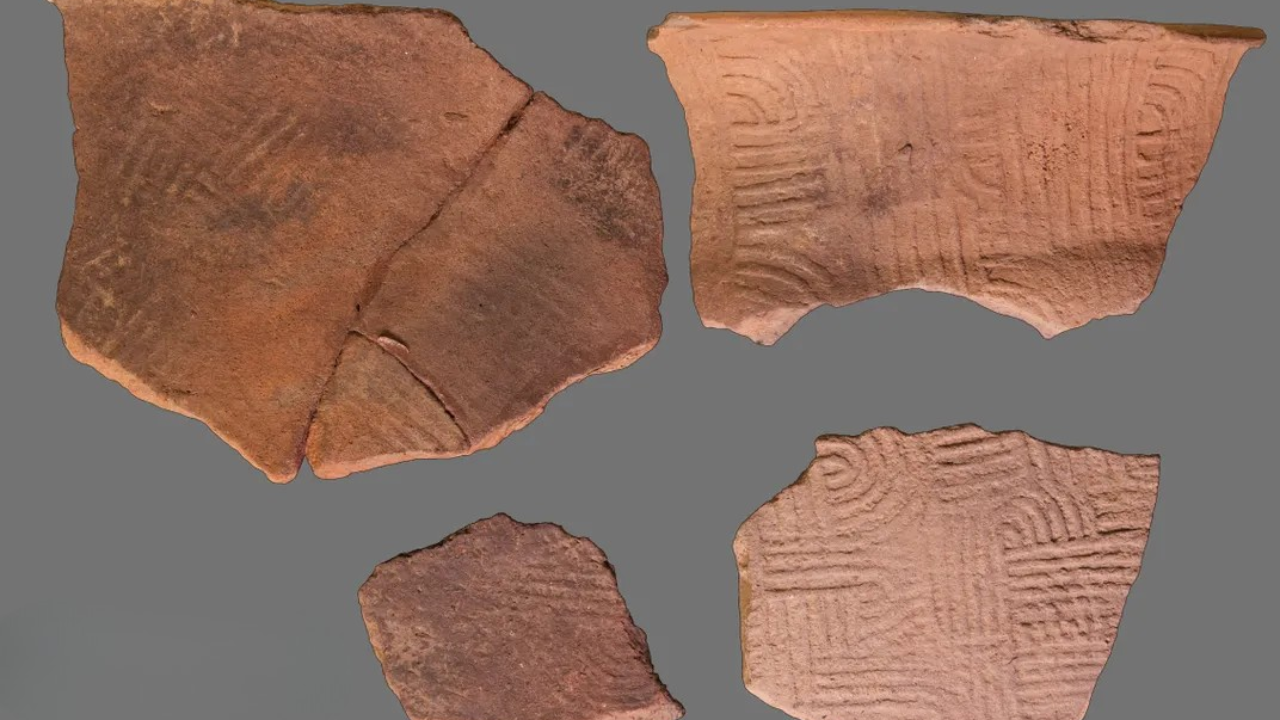
The authors used mass spectrometry to detect four compounds known to be present in cacao: theobromine, theophylline, caffeine and paraxanthine
Sitting just northwest of Atlanta, Etowah hosts six earthen monuments created by Native Americans during the pre-Columbian Mississippian period. According to King, the building of these structures was likely highly ritualised with the mounds possibly symbolising the planet. “They are actually re-enacting the creation of the Earth,” he said. By building or adding to the structure, the Mississippians were symbolically placing themselves within the cosmos.After creating such mounds, the Mississippians likely celebrated the completion with a large feast. In the 1950s, archaeologists found the remains of such a feast marking one of the earliest phases of mound building at Etowah, sometime between 1050 and 1150 C.E. The remnants, which included animal bones and pottery fragments, were discovered in a borrow pit. After the Mississippians mined clay from these pits, they filled them back up with other dirt and trash—in this case, the remains of the feast. The archaeologists washed the pieces of pottery, known as sherds, and stored them for decades. But luckily, the artefacts retained some traces of what the vessels once contained.In the study, researchers conducted ancient DNA analysis on three archaeological samples from Etowah, dating to 800 to 900 years ago. King and his colleague Terry Powis, got permission from the Muscogee people who hold Etowah sacred, to analyse the residue from the bits of pottery.The authors used mass spectrometry to detect four compounds known to be present in cacao: theobromine, theophylline, caffeine and paraxanthine, present in all 31 sherds they tested. Almost half of the Etowah samples contained at least two of the four diagnostic compounds.After researchers subjected the three pottery fragments to ancient DNA analysis, they produced more than 502 million useful paired sequences, which they then filtered to identify genetic material specific to Theobroma cacao. Samples from two pottery sherds showed that they “contained highly fragmented ancient Theobroma cacao DNA.”The researchers ensured that the study was carried out with extreme precision. They assured, “the maximum precautions to avoid the contamination of the archaeological samples with modern cacao before and during all the steps of ancient DNA analyses.”
A journey to the East
Cacao, which produces beans that are fermented and roasted to create chocolate, originated in Mesoamerica. Some of the earliest evidence of the plant’s use in domestic life dates back to about 5,300 years ago in Ecuador. By 1500 B.C.E., the Olmecs of southern Mexico were making fermented chocolate drinks. Cacao beans were even used as a currency by the Maya in the Classic Period, and in 1050 C.E., chocolate was widespread in the region, according to Smithsonian Magazine.However, only limited evidence from the time identified the presence of the substance in North America. This study now reveals that the tasty beans reached Etowah somehow. A trader or traveller could have brought it there directly, King said, or it could have been traded from person to person until it arrived.A few years ago, researchers found cacao residue in ceramic vessels in Pueblo Bonito, a Chaco Canyon site in New Mexico. The Ancestral Puebloan society there used these vessels around the same time that people of the Mississippian culture used the ceramic pots with cacao residue in Etowah. Follow-up analysis revealed more potential traces of cacao in other parts of the U.S. Southwest.It’s possible that the cacao beans used to make the chocolate drink consumed in Etowah came via trade from the Chaco Canyon. “There are continental-scale trade networks,” said Mills, who has studied ceramics in Chaco Canyon. It’s also possible that the cacao was traded along the Gulf Coast, King said, or it may have come via the Caribbean and up through Florida. It’s difficult to say because not much evidence of Mesoamerican influence, other than the cultivation of maize, can be found in Etowah.The vessels in which cacao was found at Etowah are different from Maya or Ancestral Puebloan vessels where chocolate was consumed ritually, so it’s difficult to say how they were used other than in the context of a feast. The Etowah vessels are unique, created by stamping prints onto the pots using special paddles. “Those are some of the most intriguing designs that people have made in the Mississippi area,” Mills added.“These results ask us to reopen lines of research long closed, especially regarding contacts between the impressive civilisations of Central and South America and the great Mississippian civilisation of the Eastern Woodlands,” the researchers wrote. “Early in the history of Mississippian studies, it was common to attribute the complexity of Mississippian lifeways to connections with Central America.”“This line of explanation was eventually abandoned for lack of supporting evidence and because of the implication that Indigenous people of the Eastern Woodlands were not capable of creating a complex civilisation,” the researchers continued. “As new evidence comes to light, it will be time to explore those connections, but this time without denying the achievements of Mississippian people.”