




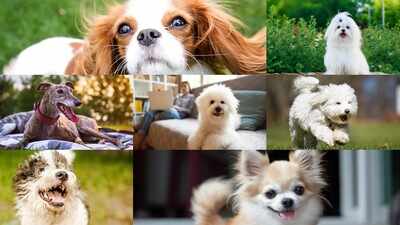
A dog can be one of the better decisions a person makes later in life, steady company, a reason to get up and move a little every day, and someone waiting at the door. But not every breed is actually built for that role. The right fit for a senior owner looks less like the high-energy, constantly training dogs that dominate most “best breeds” lists and more like something calm, manageable in size, and genuinely content with a slower pace. Climate matters too, especially in India, where heat tolerance rules out a few classic Western picks. Here are seven breeds that consistently show up as strong fits for older owners, and why.
Cavalier King Charles Spaniel
Almost every list of dogs suited to older owners leads with the Cavalier, and it’s not hard to see why. Bred for centuries specifically to be a lap companion, this breed genuinely seems happiest sitting close to its person rather than out running laps, which makes it a natural match for a slower household routine. Cavaliers are known to be particularly gentle around owners with limited mobility, often sticking close and following rather than demanding active play. Their coat needs regular brushing to stay tangle-free, but beyond that, they ask for remarkably little.
Maltese
Maltese dogs were essentially bred to be companions, and that shows in how easily they settle into a quiet, affectionate routine. Their small size makes them genuinely easy to lift, carry, and manage physically, which matters more than people initially realise once mobility becomes a consideration. They’re content with short walks rather than long ones, and their long, silky coat, while it does need regular brushing, is manageable with a simple routine rather than constant professional grooming. Devoted and gentle, they tend to form a close bond with one primary person.
Greyhound
This one surprises people every time. Despite a reputation built on speed, greyhounds are famously described as “45-mile-per-hour couch potatoes” for a reason, spending the overwhelming majority of their day asleep or quietly lounging. A greyhound genuinely only needs one or two short walks daily to stay content, and their gentle, quiet temperament makes them a good match for a senior who wants a larger dog without the demands larger breeds usually bring. Many available for adoption are retired racing dogs, already calm, socialised adults rather than boisterous puppies needing months of training.
Bichon Frise
Bichon Frises combine a genuinely cheerful temperament with a coat that doesn’t shed the way most dogs do, which makes them a solid pick for anyone who wants to avoid fur turning up on every surface in the house. They’re small, rarely aggressive, and generally easygoing enough to adapt to a quieter household without much fuss. Regular grooming is part of the deal with this coat type, but many owners find a simple, shorter trim cuts that maintenance down considerably. Playful without being demanding, they tend to match their owner’s energy rather than insisting on their own.
Coton de Tulear
Less commonly recommended than some of the others here, but arguably deserving far more attention, the Coton de Tulear brings a soft, cotton-like coat and a calm, affectionate temperament that adapts easily to a relaxed daily routine. Originally a companion breed for nobility in Madagascar, it carries that same instinct today: staying close, watching for cues, and generally preferring quiet company over vigorous play. It’s gentle with older adults specifically, rarely yappy, and doesn’t demand the kind of structured exercise routine that many other breeds expect.
Bolognese
The Bolognese remains one of the more underrated picks on any senior-friendly list, largely because it’s simply less well known outside dedicated dog circles. Small, white, and low-shedding, it’s a genuinely calm, deeply affectionate breed that settles well into gentle indoor life and bonds closely with its owner rather than the household at large. It’s also notably quiet, which matters in shared living spaces or senior communities with noise considerations. Moderate brushing keeps the coat in shape, and unlike some similarly-coated breeds, it rarely needs frequent professional grooming to stay presentable.
Chihuahua
Chihuahuas pack a surprising amount of personality into a very small frame, and that same small size is exactly what makes them practical for a senior owner: easy to lift, easy to carry, and undemanding in terms of exercise. They do best with a patient, consistent owner, since their boldness can occasionally tip into stubbornness without gentle, steady handling. For a senior living alone, a Chihuahua’s tendency to bond intensely with one person can be a real advantage, offering close, near-constant companionship rather than a dog that’s equally happy with anyone in the room.
Disclaimer:
This article is intended for general informational purposes. Individual temperament, health, and exercise needs vary even within the same breed, and factors like age, training, and the specific dog’s personality matter as much as general tendencies. Anyone considering a dog for an older adult, especially one with mobility or health considerations, is better off consulting a veterinarian or a reputable breeder or shelter about that particular dog’s suitability rather than relying on breed generalisations alone.