

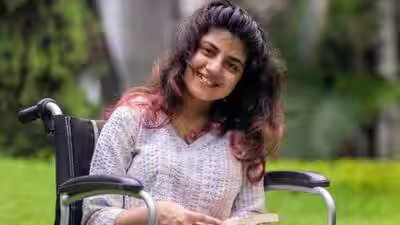
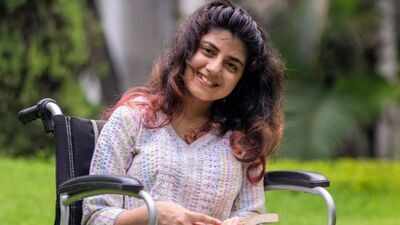
For Vinayana Khurana, writing was never simply about putting words on paper. Living with cerebral palsy, she faced physical challenges that made everyday activities, including writing and mobility, difficult. Yet instead of allowing those barriers to determine the boundaries of her life, she found ways to express herself and continued pursuing education, writing and advocacy. Today, Khurana is a writer, poet, disability inclusion activist, life coach and guest lecturer in English Literature at the Non-Collegiate Women’s Education Board of the University of Delhi. Her journey has also taken her into public conversations around disability, representation and inclusion.
Finding her voice through writing and education
Khurana has spoken openly about growing up with cerebral palsy and the assumptions that often surrounded her disability. In a poem published by Maitreyi College’s journal *Samvedna*, she describes being told that her disability was her fate and recalls the difficulties she faced while trying to pursue higher education. The poem also reflects how she gradually challenged those expectations. She writes about becoming a woman with a disability, earning a postgraduate degree, becoming a writer and poet, publishing books and using her work to question stereotypes surrounding disability. Her educational journey eventually led her to postgraduate studies in English literature at the University of Delhi and further research. A Delhi University document from 2022 also lists Khurana in an English academic panel, while her recent professional profile identifies her as a guest lecturer with NCWEB. Her work as a writer has included poetry, blogging, comics and writing about disability and society. She has also used digital platforms to communicate with wider audiences and advocate for greater understanding of disability.
From being defined by disability to challenging stereotypes
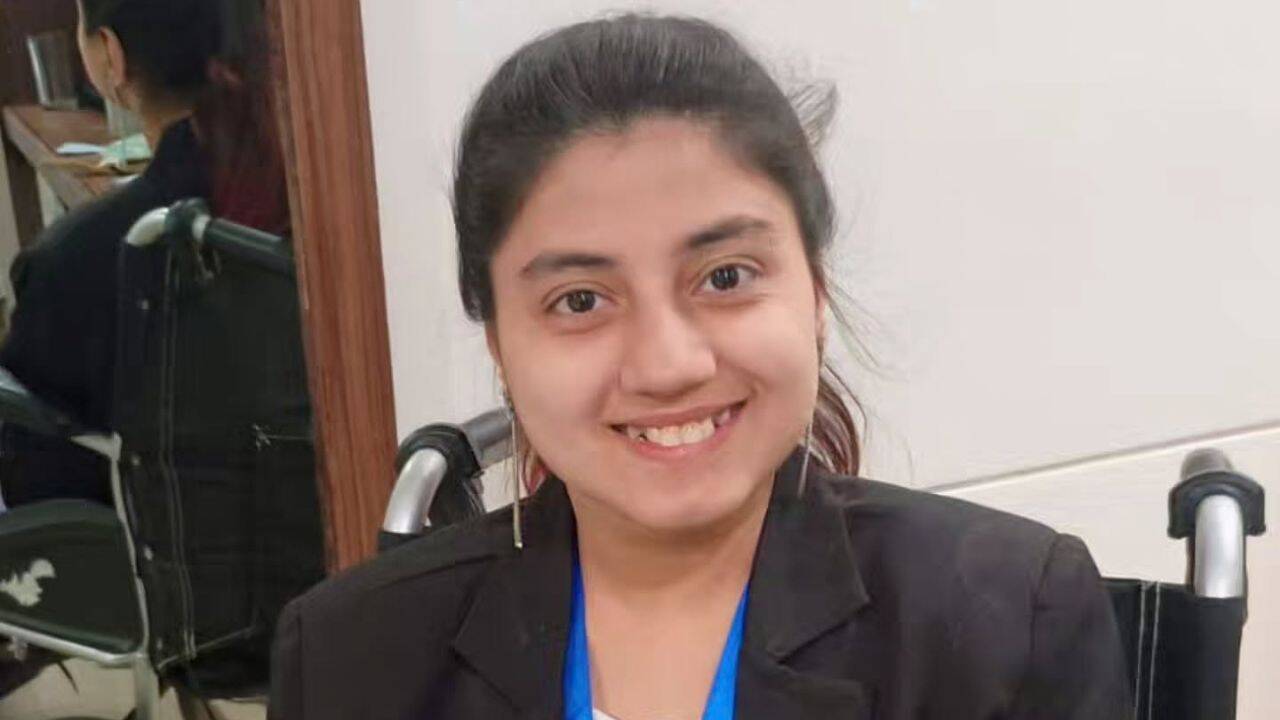
One of the strongest themes in Khurana’s work is the distinction between having a disability and allowing disability to become one’s entire identity. In an interview published by Amazon India, Khurana described herself as a woman with cerebral palsy while firmly stating, “I’m a woman with cerebral palsy, but that is not my identity.” The profile highlighted her postgraduate education, writing, poetry and disability rights advocacy, as well as her use of technology to make everyday activities more accessible. Her work has also received recognition. The CavinKare Ability Awards 2024 described her as an author, poet, blogger and research scholar whose writing seeks to challenge stereotypes and promote inclusion. The award citation noted that her educational journey through special and mainstream institutions influenced her interest in inclusive education. Khurana has also been recognised for her contribution to disability awareness. An annual report from ADAPT listed her among its award winners as a poet and activist, while Hansraj College documented her participation in a 2017 awareness programme on cerebral palsy.
Why her story goes beyond inspiration
Khurana’s journey is significant not simply because she continued her education despite physical challenges. It also highlights the importance of accessibility, representation and opportunities for people with disabilities. Her transition from student to educator adds another layer to that journey. In a recent public post, she described becoming a guest lecturer at NCWEB, calling it a full-circle moment because she returned to Vivekanand College, where she had once been a student, this time as a lecturer. Her story challenges the tendency to view disability only through the lens of limitations. Khurana’s work as a teacher, writer and activist shows how education, technology and opportunities can help people participate more fully in professional and creative life.Rather than asking only what a person with a disability can or cannot do, her journey points towards a more useful question: what barriers can society remove so that people can pursue education, work, creativity and independence on their own terms? For Khurana, the answer has been found through education, writing, advocacy and a determination to define herself beyond the disability she was born with.
A growing list of honours and recognition
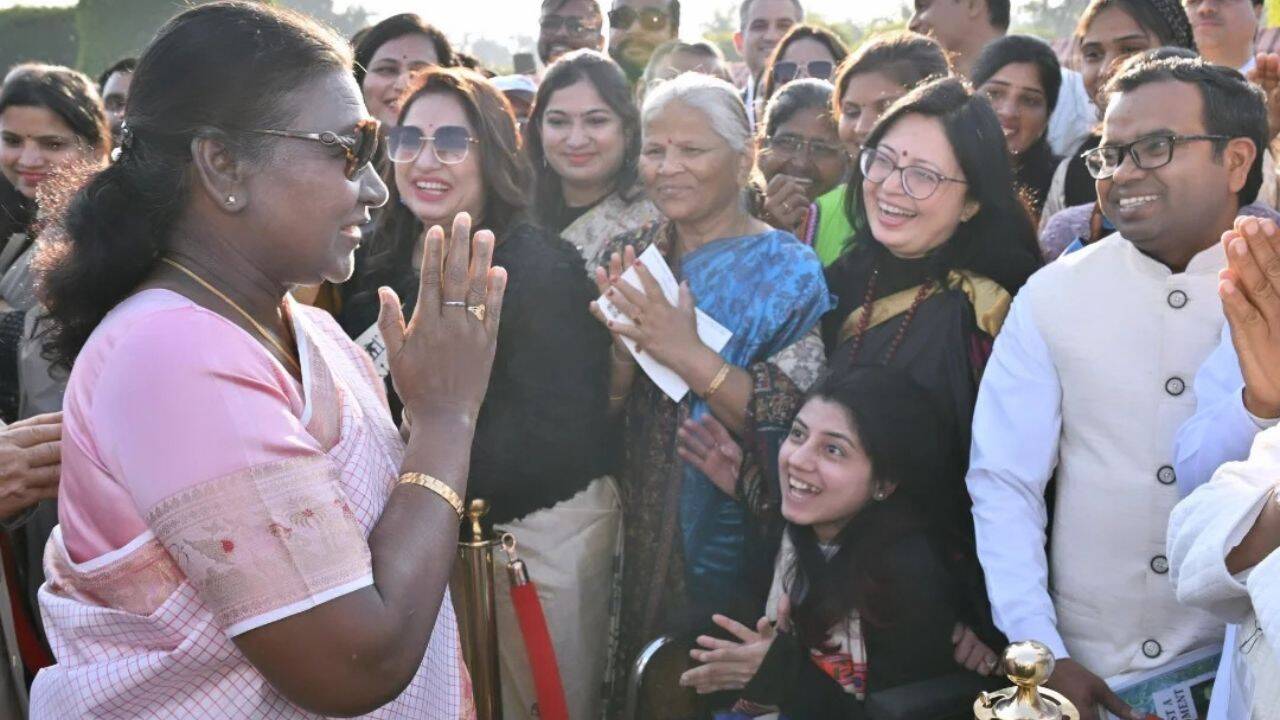
Beyond her work in education, writing and disability advocacy, Vinayana Khurana has received several recognitions for her contributions to social change and inclusion. She is a two-time recipient of the Tata Sabal Wordsmith Award, winning it in 2020 and again in 2023. In 2024, she received the REX Karmaveer Chakra Award, instituted by iCONGO in partnership with the United Nations, and the Mastery Award at the CavinKare Ability Awards for her work in disability advocacy. Her achievements also took her to Rashtrapati Bhavan, where she was invited by the President of India to the At Home Reception on Republic Day in 2025. The same year, she was recognised as a Digital Women Awards winner in the Content Creator category and received the Swayam Siddha Award from the Dorai Foundation.
Using creativity to challenge disability stereotypes
Khurana has also used writing, humour and digital content to challenge conventional ideas about disability. Her literary work includes a published collection of poems, an e-book of short stories available on Amazon Kindle and a comic-strip collection titled Comical Impressions of Society on People with Disabilities. Through these works, she has explored themes including disability, identity, inclusion, education and everyday social attitudes. Her writing and reflections have appeared on platforms including Youth Ki Awaaz, Love Matters India and BBC Hindi, as well as on her personal blog, Vinayana’s World. Her work has also been featured by national media organisations including The Times of India, Dainik Jagran, Brut India and BBC Hindi, bringing wider attention to her journey and advocacy for disability inclusion.
From student to educator and advocate
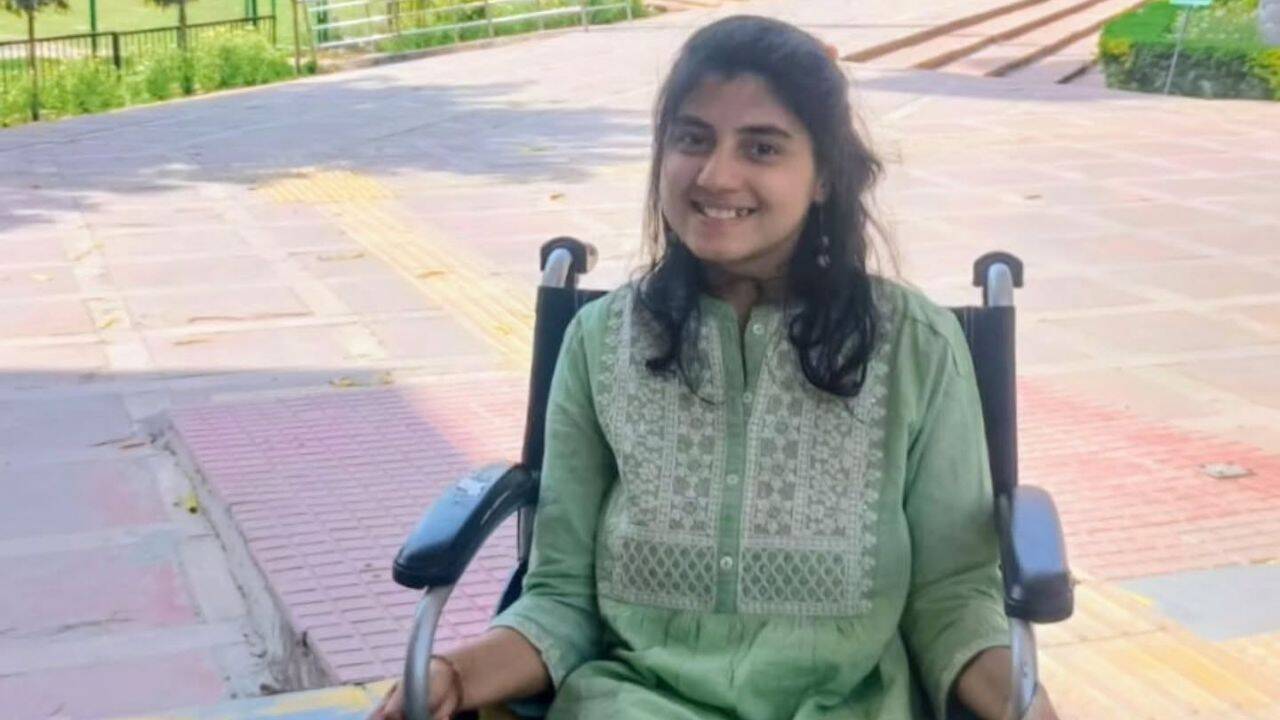
Education has remained an important part of Khurana’s journey. She holds an MPhil in English Literature from the University of Delhi and has built a career that combines teaching, research, writing and advocacy. Her journey also came full circle in 2026 when she was recognised as an Illustrious Alumna of the Department of English at Vivekananda College, University of Delhi, where she had earlier been a student. As a guest lecturer in English Literature at NCWEB, University of Delhi, she now occupies a role that allows her to contribute to the education of others while drawing from her own experiences. Khurana has also participated as a speaker at conferences, academic programmes and awareness initiatives, discussing subjects such as accessibility, intersectionality, inclusive education, disability rights and lived experiences. Her speaking engagements have included platforms associated with UNICEF and Amity University.
Recognition for her continued work in 2025 and 2026
Her advocacy continued to receive recognition beyond the awards she had already received. In 2025, she served as a jury member for the Wordsmith category at the Tata Sabal Awards. She also won the Third Prize in the Innovator with Disabilities category at Open Sky Open Mind 2025, organised by EnAble India, for innovative solutions for everyday living. She was subsequently featured as a featured personality under the Hyundai Samarth Campaign in August 2025. In 2026, Khurana was honoured by the District Magistrate of South East Delhi for her contributions to education and disability inclusion. In July, she was named a D-30 Disability Impact List Honoree by Diversability, recognising her work in disability inclusion, representation and social impact. She later became part of the Diversability Leadership Collective, connecting her with a wider network of disability leaders and changemakers.
Taking disability conversations to wider audiences
Khurana’s advocacy has also extended to public conversations beyond traditional academic and media spaces. In January 2026, she was invited by The Blessed Ones, a Pune-based NGO, to speak on its talk show, where she discussed lived experiences and disability inclusion. Through teaching, research, writing, public speaking and digital content, Khurana has continued to build a career that goes beyond the conventional narrative of disability. Her journey combines personal experience with advocacy, using education and storytelling to encourage a broader understanding of accessibility, representation and inclusion.