



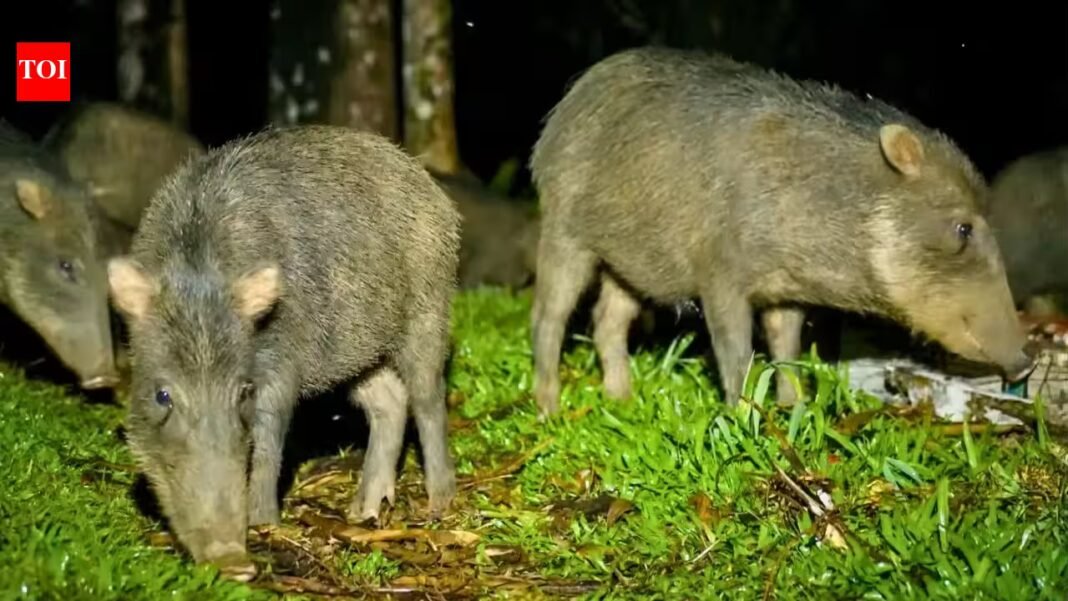
After 18 years without sightings, 13 white-lipped peccaries (Tayassu pecari) have been released into Piedras Blancas National Park in southern Costa Rica as part of a conservation project to restore the species. Its disappearance left a gap in the rainforest’s food chain, disrupting the ecological balance. To address this, Osa Conservation is working with the Osa Conservation Area (SINAC) and surrounding communities to bring the species back to the park.According to Osa Conservation, the project took shape in 2023, when researchers began examining the peccary population and earlier conservation efforts. Surveys involving 335 people from 13 nearby communities later confirmed that the animal had disappeared from the area, helping establish the need for its return.
13 white-lipped peccaries return to Costa Rica’s national park
The release of 13 specimens aims to restore the white-lipped peccary population in Piedras Blancas National Park, where the species has not been sighted for 18 years. Its disappearance left a critical gap in the rainforest’s food chain and contributed to an ecological imbalance. The return is expected to benefit both the ecosystem and surrounding communities.Many young people in the region were not even born when the peccaries were last seen in the park. Their knowledge of the animals comes largely from stories shared by older relatives, some of which are linked to hunting. Their stories also bring back memories of a time when jaguar tracks were seen in the forest.According to an interview with Mongabay, tracking and camera-trap data show the herd appears healthy and cohesive, and further translocations are planned this year toward a target of 25 to 30 animals.
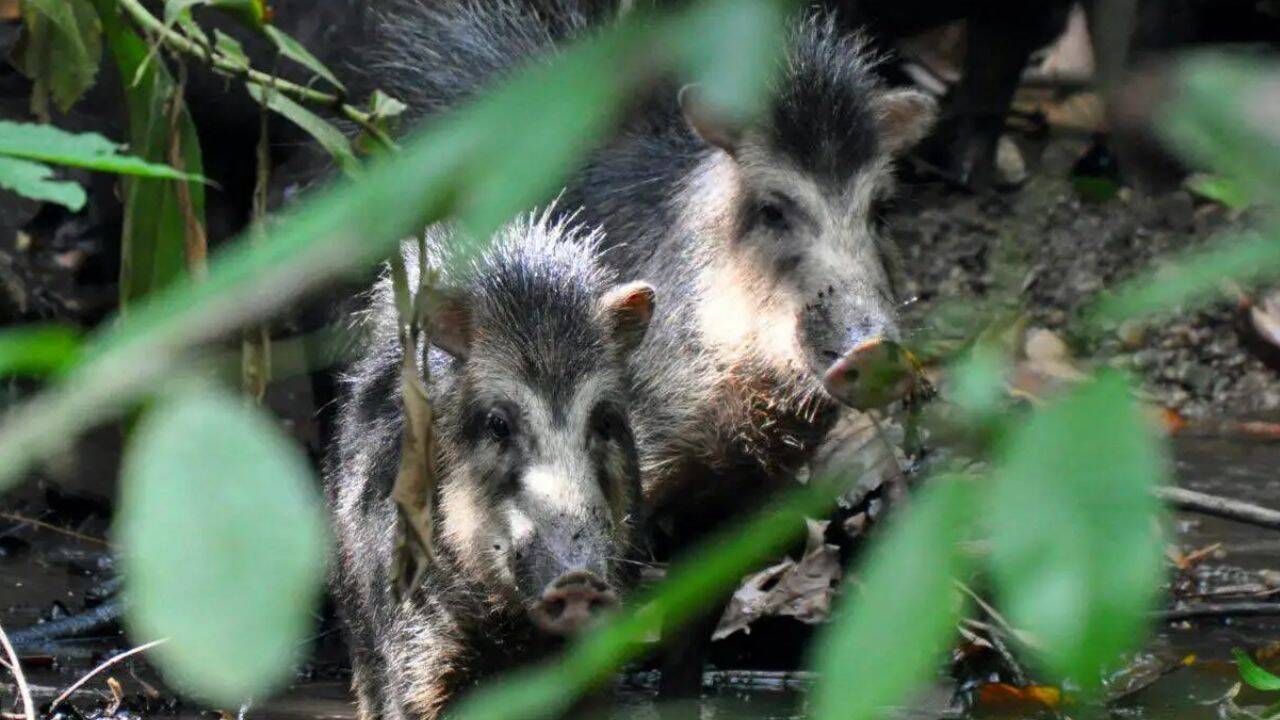
PC: Osa Conservation
What steps led to the return of peccaries
The first efforts began in 2023, when Osa Conservation started working with the Osa Conservation Area (SINAC) to examine the status of the ‘chancho de monte’ on the Osa Peninsula. The work also considered conservation efforts undertaken up to that point and their impact.In 2024, the findings helped shape a project aimed at recovering the peccary population in Piedras Blancas National Park for the benefit of its ecosystems and surrounding communities. The plan focuses on restoring the species while bringing together conservation organisations, government institutions and residents.Guido Saborío, Wildlife Manager at Conservación Osa, said, “We are proud to know that, by protecting the natural wealth of southern Costa Rica, we also offer opportunities for local communities through ecotourism and environmental education.”
How did surveys help confirm the peccary’s disappearance
Determining whether reintroduction was necessary required an understanding of the existing peccary population. However, the project faced a lack of up-to-date studies on the species in the area. Researchers therefore turned to local knowledge to establish whether the animals were still present in the park.A total of 335 people from 13 communities surrounding Piedras Blancas National Park took part in surveys. Their responses helped confirm that the ‘chancho’ had disappeared from the area. Community knowledge played a central role in confirming the need for reintroduction and provided the basis for the recovery effort. The involvement of residents also forms part of the wider approach to conservation and the management of the project.
White-lipped peccaries help sustain rainforest wildlife and local communities
White-lipped peccaries play several roles in forest ecosystems. They provide food for large felines, including jaguars and pumas, and disperse the seeds of 57 types of plants. Their behaviour also helps create microhabitats. The animals create bathing areas that other species use for wallowing.Their presence can also create opportunities for surrounding communities through conservation and tourism. Osa Conservation aims to bring together government institutions, local communities and conservation organisations to support both ecosystems and the people who depend on them.