



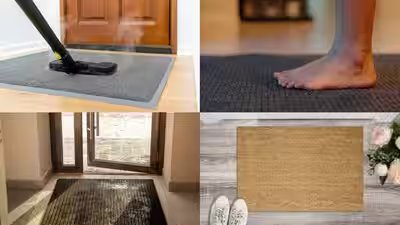
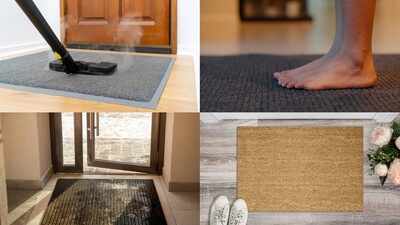
There’s a decent chance the doormat sitting right outside your home hasn’t been properly cleaned in months, maybe longer. Honestly, most of us don’t think about it until it starts smelling a bit off or looking visibly grimy. It’s easy to overlook, tucked away at the entrance, quietly catching mud, dust, and whatever’s stuck to the bottom of everyone’s shoes all day long. But that same job is exactly why it needs regular attention, since a dirty mat isn’t just an eyesore; it’s actively tracking bacteria and grime right into your home every time someone wipes their feet on it. Here’s how often you should actually be washing it and the simplest ways to keep it fresh.
So, how often should you actually wash it?
As a general rule, a doormat used daily by a household should get a proper wash at least once every two weeks, though this can shift depending on your specific situation. If you live somewhere dusty, rainy, or with a lot of foot traffic, whether that’s a big family, pets running in and out, or guests dropping by often, weekly washing is probably a smarter target. Mats placed outdoors, exposed to weather and mud, tend to need attention more frequently than an indoor mat that only catches the occasional bit of dust.
A quick shake and vacuum should happen more often
Between full washes, a quick daily or every-other-day shake outside, followed by a once-a-week vacuum, keeps most of the loose dirt from building up in the first place. This matters more than people realise, since a mat that’s shaken out regularly stays noticeably cleaner for longer, meaning the deeper wash doesn’t have to work as hard when it’s finally time. It’s a small habit, but it genuinely buys you extra time between the more involved cleaning sessions.
Washing a fabric or cotton doormat
For mats made of cotton, cloth, or similar woven fabric, a machine wash is usually the easiest route, provided the mat isn’t too bulky for your washer. Shake off as much loose dirt as possible first, then wash it on a warm or hot cycle using regular detergent, adding a cup of white vinegar to the rinse cycle if odour has become a persistent problem. Air-drying outdoors in direct sunlight afterward works particularly well, since sunlight naturally helps kill off any remaining bacteria and gets rid of lingering smells far better than indoor drying alone.
Washing a rubber or coir door mat
Rubber and coir mats, the coarse, fibrous ones commonly used right at the entrance, can’t usually go in a washing machine, but they’re still fairly simple to clean by hand. Start by giving the mat a firm shake or beating it against a wall or railing to knock out loose dirt, then hose it down thoroughly, working in a mild detergent solution with a stiff brush to really get into the fibres. Rinse it completely and let it dry fully in the sun before placing it back down, since any leftover moisture trapped inside coir fibres tends to turn musty surprisingly fast.
Tackling stubborn stains
For mats with stains that don’t budge with a regular wash, a paste made from baking soda and a little water, left to sit on the stained area for fifteen to twenty minutes before scrubbing, usually helps lift things considerably. Oil or grease stains respond well to a bit of dish soap worked directly into the fabric before washing, since dish soap is specifically designed to break down grease. For particularly tough, set-in stains, a diluted mix of white vinegar and water, applied and left to sit for a few minutes before scrubbing, often does the trick without needing anything harsh.
Dealing with that stubborn musty smell
If your door mat has developed a persistent damp, musty smell, that’s usually a sign moisture has been sitting trapped inside it for a while, and simple washing alone might not fully solve it. Sprinkling baking soda generously over the entire mat and letting it sit for a few hours, or even overnight, before shaking or vacuuming it off works well to absorb lingering odours. If the smell keeps coming back despite regular washing, it’s worth checking whether the mat is drying completely between uses, since a mat that stays even slightly damp underneath will keep developing that musty smell no matter how often you clean the surface.
A few habits that keep it cleaner for longer
Beyond regular washing, a few small habits make a noticeable difference in how quickly a door mat gets dirty in the first place. Encouraging household members and guests to actually wipe their feet properly, rather than just a quick token swipe, helps a lot more than people expect. Placing a second mat just inside the door, in addition to the outdoor one, also helps trap dirt in two stages rather than relying on a single mat to catch everything. And making sure the mat gets a chance to dry out completely between uses, rather than sitting permanently damp in a shaded, poorly ventilated spot, goes a long way in preventing that musty smell from developing in the first place.
A small habit worth keeping up with
It’s easy to forget about the doormat entirely; it’s not exactly the most glamorous part of home cleaning, but keeping it fresh genuinely matters more than it gets credit for. A clean mat does its job properly, catching dirt before it spreads through the rest of the house, rather than becoming just another source of grime and bacteria sitting right at your entrance. A few minutes every couple of weeks is honestly all it takes to keep that first impression and the air right at your doorstep noticeably fresher.
Disclaimer:
This article is intended for general informational purposes only. Cleaning frequency and methods may vary depending on mat material, household size, climate, and usage. Always check manufacturer care instructions before washing, especially for mats with rubber backing or specific fabric blends.