



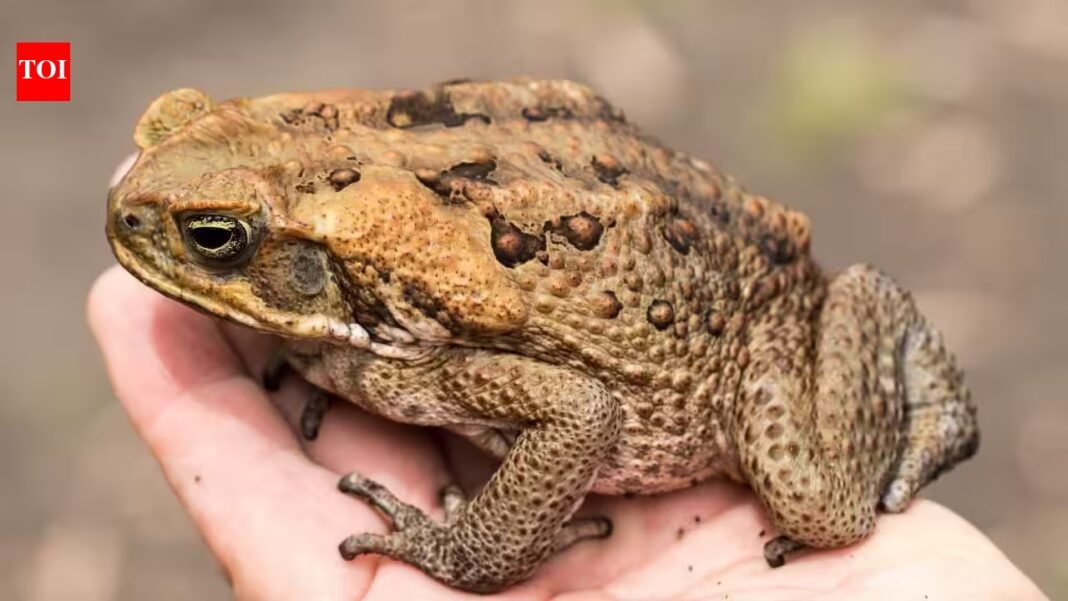
Australia’s attempt to solve one pest problem in 1935 created another that has spread across the country for nearly a century. Cane toads were introduced to control beetles in Queensland’s sugar cane fields, but they became one of the nation’s most damaging invasive species. Now, a A$28 million partnership involving Curtin University, Rio Tinto and the Rhodes Ridge Joint Venture is trying to prevent them from reaching Western Australia’s Pilbara, one of the country’s most ecologically significant regions. The project will create a 7,500-square-kilometre “waterless barrier” south of Broome, between the Indian Ocean and the Great Sandy Desert. Rather than trying to kill toads directly, researchers plan to remove the artificial water sources that allow them to survive the dry season. The Toad Containment Zone will modify or contain 685 pieces of pastoral infrastructure across six stations, creating a dry corridor that the animals cannot cross, as per ABC News and Rio Tinto.The effort is unusual because it treats water infrastructure as a conservation tool. Cane toads need water every few days during the dry season, and where natural water is scarce they depend on cattle troughs, dams and storage tanks. By redesigning those water points, scientists hope to stop the invasion before it reaches a region that is home to wildlife found nowhere else on Earth. Read more about it here:
Why the Pilbara matters
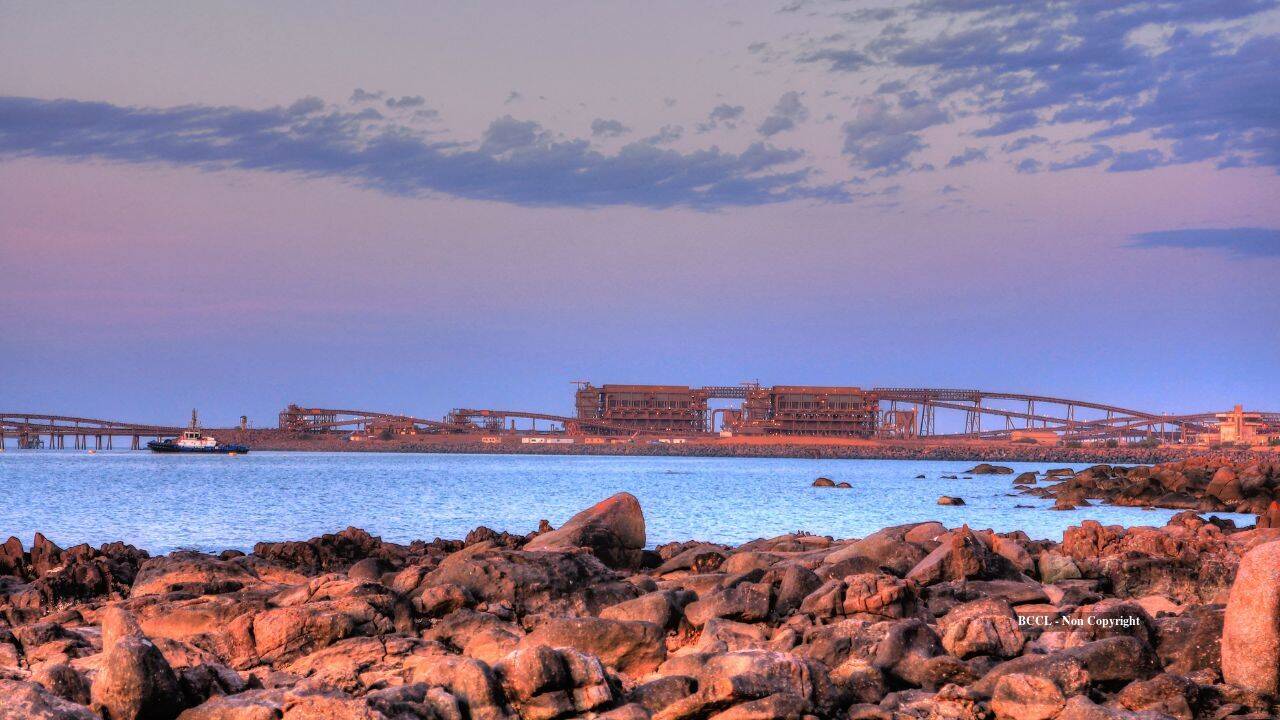
Dampier coastline in Pilbara region, AustraliaPhoto: Canva
The Pilbara is one of Australia’s 15 recognised biodiversity areas and a globally significant bioregion. Rio Tinto says cane toads could significantly affect an estimated 25 native species if they establish there, including the northern quoll and ghost bat. The company says the containment zone would help protect around 27 million hectares of sensitive habitat.Curtin University biologist Ben Phillips said cane toads are on track to reach the Pilbara within two decades unless action is taken. He described the project as a once-in-a-lifetime opportunity to stop one of the world’s worst invasive species and protect the region’s unique wildlife, reported Rio Tinto.The stakes are not only ecological. Cane toads have already devastated millions of native Australian animals, including snakes, goannas and crocodiles. Phillips told the ABC that their disappearance from affected landscapes is a national tragedy and a loss of both natural and cultural heritage for Indigenous landowners.
How the waterless barrier works
The project does not rely on a physical wall. Instead, it will isolate artificial water sources such as dams, tanks and cattle watering points across a broad stretch of land. The aim is to create conditions in which toads cannot survive the dry crossing between their current range and the Pilbara.Researchers say toad-proofing water sources has worked in other areas. Curtin University ecologist Judy Dunlop told the ABC that removing the essential resource toads depend on can halt their expansion. She said construction is expected to take between two and five years, alongside extensive monitoring and supplementary work. The plan will involve changes across six pastoral stations, with Anna Plains Station owner David Stoate estimating that around 100 waterless barriers will ultimately be created on his property alone. He said the scale of the project initially made it difficult to grasp, but described it as a necessary first step in a much longer effort.
Traditional owners at the centre
The project is being developed with Nyangumarta and Karajarri Traditional Owners, whose Country lies in and around the proposed containment area. Nyangumarta ranger and Traditional Owner Roberta Hunter said cane toads destroy water and animals, and that local people want to stop them before they damage Country.Karajarri Traditional Lands Association chief executive Martin Bin Rashid said Traditional Owners have been involved throughout planning. He said the organisation’s ranger programme and heritage team will support project leaders and construction crews, particularly around culturally significant water holes, as per the reports.Those water sources carry more than ecological value. Bin Rashid told the ABC that they hold important stories and Dreamtime narratives for Karajarri people and sustain the land. The project’s success will therefore depend not only on engineering and biology, but also on respecting the cultural meaning of the places being modified.
Funding and next steps
Rio Tinto and the Rhodes Ridge Joint Venture will provide the A$28 million in equal partnership over five years. The Rhodes Ridge Joint Venture is made up of Rio Tinto, Mitsui and AMB Holdings, with the funding intended to support the infrastructure upgrades needed to establish the Toad Containment Zone.The Western Australian government has also contributed about A$340,000 for community engagement. The ABC reported that initial funding for the conservation effort was set at A$12 million, meaning the new industry contribution will more than double the project’s resources over the next five years.Early works are already underway, with the main project due to begin in 2027. If successful, the initiative could prevent cane toads from entering the Pilbara and offer a model for slowing invasive species elsewhere. As Rio Tinto’s Chris Osborn said, solutions grounded in science, combined with practical knowledge from Traditional Owners and pastoralists, will be central to whether the barrier holds.
A lesson from 1935
The cane toad remains one of Australia’s clearest examples of how an introduced species can become a long-term environmental problem. Brought in to control cane beetles, the toads spread far beyond their intended purpose and have become toxic hazards for native predators that try to eat them.The Pilbara project cannot undo that history. But it represents a different approach: instead of waiting for the invasion to arrive and then responding, scientists, landholders, Traditional Owners and industry partners are trying to stop it at a strategic geographic point. If the waterless barrier works, it could protect one of Australia’s most distinctive landscapes from a species that has already reshaped much of the country’s north.