



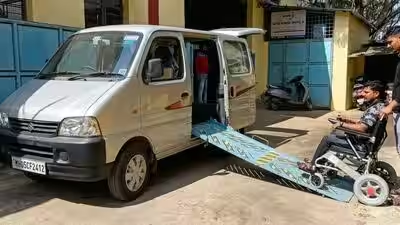
For Rashmi Sampath, a family road trip once began with a difficult task: lifting her 16-year-old daughter, Deeksha, into the car. Living with spinal muscular atrophy, Deeksha needs support with mobility, and moving her into a vehicle could be physically exhausting for her family. That changed when they started using a rotating car seat. The seat turns towards the door, allowing Deeksha to sit down before it swivels back into the vehicle. Last year, the family travelled nearly 1,000 kilometres from Bengaluru to Kanyakumari, making a long journey that had once seemed difficult far more manageable.Their experience reflects a problem that often goes unnoticed. For people with disabilities and older adults, getting into a car can be more challenging than the journey itself.Bengaluru-based TRUE Assistive Technology is working to change that. Founded by engineers Naina Padaki and Anand Kutre, the company develops mobility products designed to help people travel with greater comfort, safety and independence.
A small engineering project revealed a much bigger need
The idea began in 2013, when Toyota approached the engineers to develop a swivelling seat for the Corolla Altis. Although their early prototype was showcased at an automobile exhibition, its high cost made wider adoption difficult. Instead of abandoning the idea, the founders began exploring ways to make accessible mobility products more practical for Indian users. Their motivation also came from seeing how people with disabilities in the United States participated in everyday life with the help of accessible infrastructure and assistive technology. They wanted to make similar options available in India, where families often rely on physically lifting passengers into vehicles.The early years required patience. The founders funded their work through consulting assignments rather than external investment. Developing the first product and building a business around it took time, but interest from families gradually showed them that the need was real. The company was formally incorporated in 2022. According to its official website, Anand brings extensive automotive experience to product development, while Naina focuses on business development and partnerships.
Turning an ordinary car into an easier way to travel
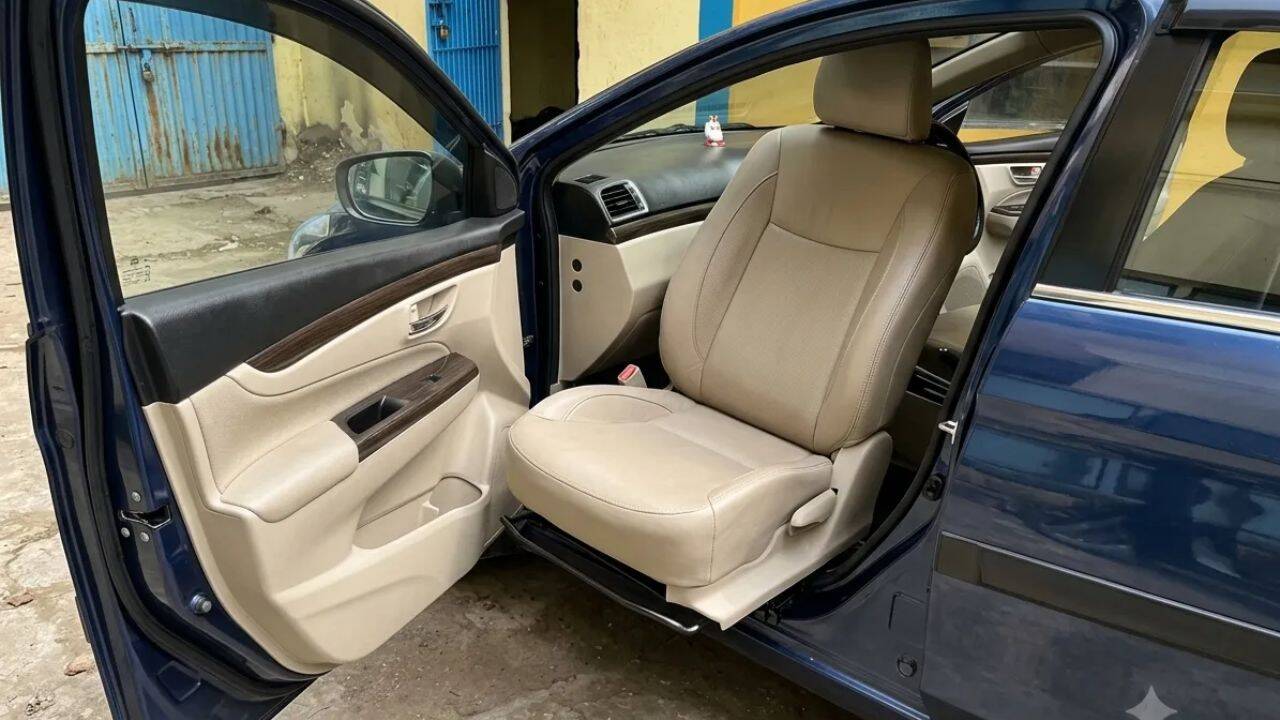
The company’s best-known product, TurnPlus, is a rotating seat mechanism that turns a car seat approximately 90 degrees towards the door. This allows passengers to sit down before being moved back into the vehicle, reducing the need to climb into the cabin or be lifted awkwardly. The mechanism is designed to work with an existing car seat rather than requiring a completely different vehicle. It can help older passengers and people with mobility challenges, including those living with paralysis, spinal injuries or neurological conditions.The founders also wanted to avoid solutions that required extensive, permanent changes to a vehicle. A removable system can offer greater flexibility to families who need to retain the use and resale value of their cars. As the team worked with more users, it became clear that the problem extended beyond car seats. Wheelchair users might also struggle with steps at home, clinic entrances or other buildings. Caregivers could face physical strain when transferring someone between a bed, wheelchair and vehicle.TRUE Assistive Technology therefore expanded its range to include portable ramps, transfer aids, lifting equipment and vehicle accessibility modifications. Its official product catalogue lists these solutions for people with different mobility requirements. The company says its products undergo safety testing. However, testing requirements vary by product, and vehicle modifications may involve separate assessments from those conducted on individual assistive devices.
Independence matters to the whole family
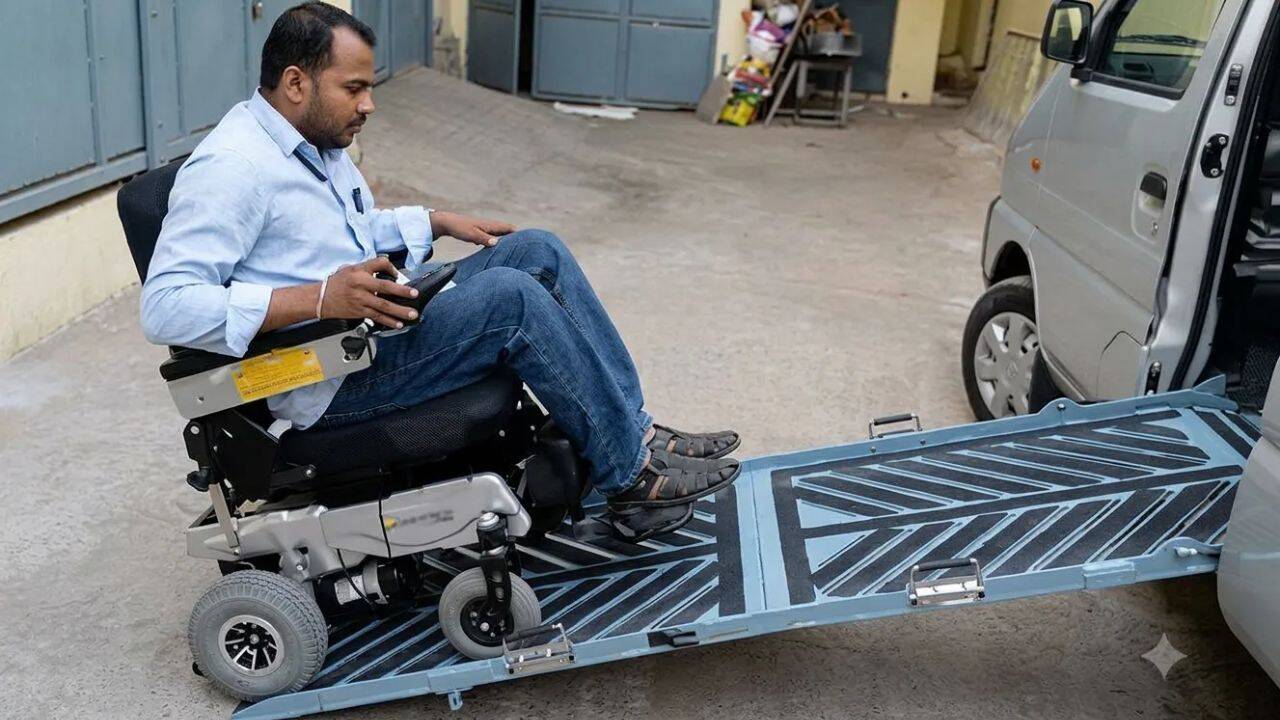
For Amritsar resident Jatin Gandotra, the technology became important after a close relative suffered a stroke and experienced severe mobility restrictions. He wanted to find a way to help her travel more comfortably. The rotating seat offered a practical solution, but its value went beyond the mechanics of entering a car. For Jatin, being able to move with less assistance can make a meaningful difference to a person’s sense of dignity.That sentiment is echoed by Rashmi. Since using the seat, her daughter has been able to approach travel with greater confidence and enthusiasm. Rashmi says Deeksha now talks about exploring new places rather than treating long journeys as something difficult to manage. Other users have found new ways to pursue their goals. The founders have shared examples of people travelling to college more frequently or fulfilling family road-trip plans after installing accessibility equipment. These accounts underline an important point: accessible mobility benefits more than the person using a device. It can also reduce the physical demands placed on caregivers and make shared family experiences easier to plan.
Making everyday journeys more inclusive
India recorded around 2.68 crore people with disabilities in Census 2011, equivalent to 2.21% of the population, according to the Government of India’s Press Information Bureau. The figure is based on the 2011 Census and should not be treated as a current population estimate. For many people with disabilities and older adults, inaccessible transport remains a barrier to education, work, healthcare and social life. Assistive products can help, but affordability, vehicle compatibility, safe installation and access to suitable infrastructure also matter.The company’s reported reach has varied across sources: the supplied account puts the number of people helped at more than 1,000, while its current website lists a different user figure. The exact total therefore needs confirmation before being presented as a single verified number. The larger idea behind the work remains clear. A rotating seat or portable ramp may appear to be a small engineering intervention, but it can change what a family considers possible. For Deeksha, that can mean a road trip without the same physical struggle. For another passenger, it might mean reaching a hospital, attending a class or visiting relatives with greater ease. Sometimes, making travel more inclusive begins not with building a new vehicle, but with rethinking the way someone gets into the one they already have.