


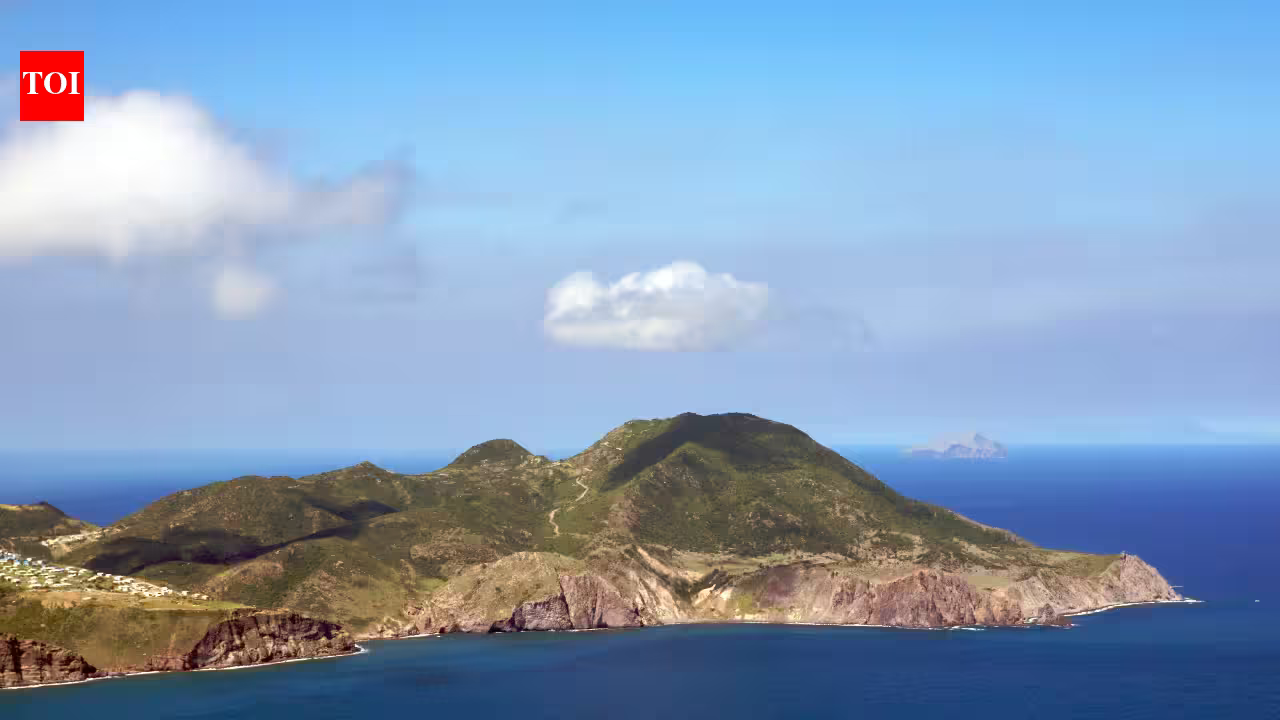
For years, Redonda resembled more a barren moonscape than a tropical Caribbean island. Its vegetation was destroyed, its native wildlife was wiped out, and the marine ecosystem around it was harmed by soil and rocks washing into the sea. Yet when conservationists removed invasive rats and feral goats, nature made an amazing comeback. According to a report by Fauna & Flora website, Redonda had become a thriving haven for wildlife within a few years, and now it has received a major new layer of protection.
Redonda declared a protected area
Antigua and Barbuda has created the Redonda Ecosystem Reserve, safeguarding almost 30,000 hectares of land and sea. The reserve comprises the whole island, the surrounding seagrass meadows and an 18,000 hectare reef of coral. The little-explored area is said to host at least 30 globally threatened or near-threatened species and internationally important seabird colonies. The designation is the result of a joint effort between the government’s Department of Environment and conservation groups like the Environmental Awareness Group and Fauna & Flora. The move also aids Antigua and Barbuda in fulfilling its commitment to conserve at least 30 per cent of terrestrial, inland-water, coastal and marine areas under the Kunming-Montreal Global Biodiversity Framework.
Dramatic turnaround after invasive species removal
The Redonda restoration program started in 2016 with early work concentrating on eradicating invasive species that had ravaged the island’s ecosystem.
The Redonda restoration program started in 2016 with early work concentrating on eradicating invasive species that had ravaged the island’s ecosystem. Conservation teams successfully eradicated invasive rats and feral goats in 2017. The effect was surprisingly rapid. By 2023 total vegetation biomass had increased by more than 2,000%. Fifteen species of land bird returned to the island and the number of endemic reptiles increased by more than fourfold. The most notable recovery has been that of the Redonda ground dragon, a critically endangered lizard. Its population has exploded 13-fold since 2017, a remarkable example of how rapidly ecosystems can respond when major pressures are removed.
From barren land to wildlife haven
Centuries ago the decline of Redonda began. When the Europeans first saw the island in 1493 it was alive with life. But the introduced species did change the ecosystem. Invasive rats ate native wildlife and vegetation was eaten by feral goats abandoned by guano miners. Plants started to go, and soil and rocks washed away into the surrounding ocean, damaging reefs of coral and threatening marine habitats. Once the invasive animals were gone, native vegetation began to return. Thousands of trees have taken root, helping to stabilize the soil, and seabirds have returned in greater numbers, with populations of native plants and animals rebounding.
Restoration work not yet finished
Conservationists say that protecting Redonda is just the start. Work is underway to improve biosecurity to ensure invasive species do not return, monitor wildlife recovery, survey marine habitats, promote sustainable fishing and plan the reintroduction of native species such as iguanas and burrowing owls. Redonda’s wildlife restoration is also important beyond the island itself. Caribbean islands are under extreme pressure to extinct and climate change poses additional threats to ecosystems and communities. Redonda’s transformation is a demonstration of what can happen when invasive species are removed and nature is given a chance to recover. The new protected status could help preserve that progress — and maybe transform the once-barren island into a model for biodiversity restoration and sustainable conservation across the Caribbean.Images Courtesy: istock