



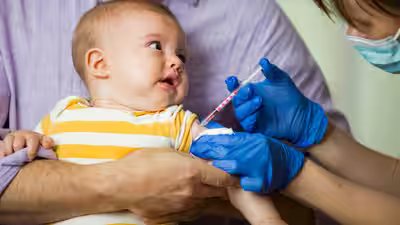
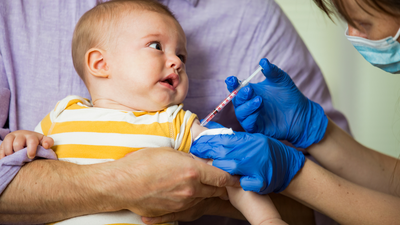
From the day a baby is born, vaccination becomes one of the most important conversations during the infant’s first year. Certainly, the conversation is just as important.Vaccines have transformed child health across the world. According to the World Health Organization (WHO), immunization prevents 3.5–5 million deaths every year from diseases such as diphtheria, tetanus, pertussis (whooping cough), influenza and measles.
28 Jul 2026 | 16:27
What was the most useful baby product during the first six months?
In India, children are protected through the Universal Immunization Programme (UIP), one of the world’s largest public health initiatives, which provides free vaccines against several life-threatening diseases. In addition, many pediatricians also follow the Indian Academy of Pediatrics (IAP) immunization schedule, which includes some additional vaccines based on a child’s age, health status and risk factors.Why are vaccines given during infancyBabies are born with some antibodies passed on by their mothers during pregnancy. Since infants are especially vulnerable to infections that can lead to pneumonia, meningitis, paralysis or severe diarrhea, the first year of life includes several important vaccination visits. UNICEF states that an alternative or delayed vaccination schedule can put children at risk.Certainly, for new parents, vaccination schedules may seem complicated. Understanding what happens at each visit- and why those vaccines are given at that particular age- can make the process much less overwhelming.
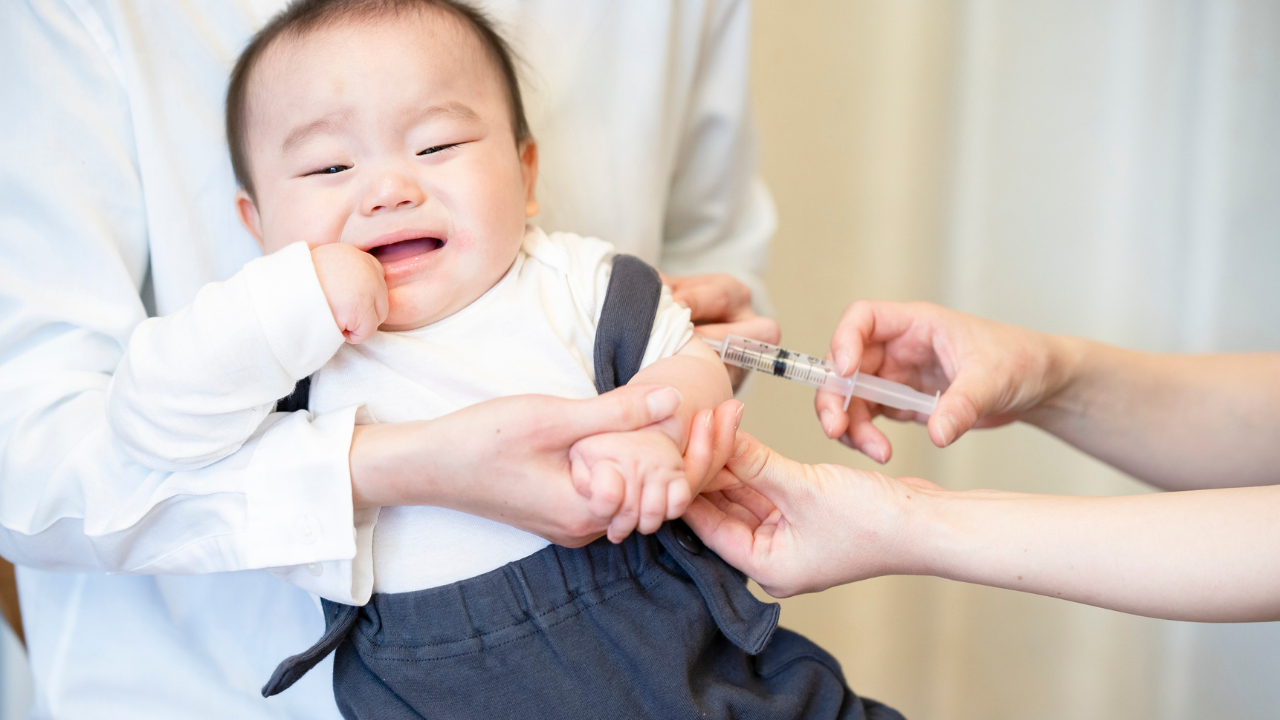
Image: Canva
Here’s a month-by-month guide for parents to understand their infant’s vaccination schedule.
At birth: The first protection begins
Under India’s National Immunization schedule, 3 vaccines are ideally recommended before the baby leaves the hospital.
- BCG (Bacille Calmette-Guérin) vaccine: To protect the newborn from severe forms of tuberculosis, including TB meningitis.
- Oral Polio Vaccine (OPV-0): The first dose that begins protection against poliovirus.
- Hepatitis B birth dose: This should be preferably given within 24 hours of birth to prevent hepatitis B infection acquired during childbirth.
These vaccines are given to provide infants an important foundation for the baby’s immune protection right from the first day of life.
At 6 weeks The first major vaccination visit
Around one and a half months of age, babies receive several vaccines because this is when protection from maternal antibodies begins to decrease. Under UIP, babies receive vaccines that protect against: Diphtheria, Tetanus, Pertussis, Hepatitis B, Haemophilus influenzae type b, Polio, Rotavirus, Pneumococcal disease.These diseases can cause severe pneumonia, meningitis, dehydration, paralysis and even death in young infants, making early protection especially important.
At 10 weeks
At week 10, the second round of vaccines begin, and it helps in building stronger immunity. It strengthens the immune response started by the first vaccine. Under the National Immunization Schedule, babies generally receive:
- Second dose of Pentavalent vaccine
- Second dose of Oral Polio Vaccine
- Second dose of Rotavirus vaccine
Note: Some children receiving vaccines in private practice may also receive additional vaccines (per pediatrician’s advice) according to the IAP recommendations.
At 14 weeks
This marks another crucial visit because it marks the completion of the primary series for several vaccines. Under the National Immunization Schedule, vaccines at 14 weeks include:
- Third dose of Pentavalent vaccine
- Third dose of OPV
- Second fractional dose of IPV
- Third dose of Rotavirus vaccine
- Second dose of Pneumococcal Conjugate Vaccine
At 6 months
The Indian Academy of Pediatrics recommends annual influenza vaccination for all children at the beginning of six months of age.Children receiving the influenza vaccine for the first time usually require two doses given at least four weeks apart, after which a single annual dose is recommended.While influenza is usually dismissed as a seasonal fever, in infants, it can lead to serious complications such as pneumonia, hospitalization and dehydration.
At 9 months
9 months marks another important milestone in the vaccination schedule. Under the National Immunization Schedule, babies receive:
- Measles-Rubella (MR) vaccine
- Japanese Encephalitis (JE) vaccine
- First dose of Vitamin A supplementation
In addition, children under the UIP also receive the PCV booster dose at this age.
At 12 months
Many pediatricians recommend additional vaccines. By the first birthday, many pediatricians following the Indian Academy of Pediatrics schedule may recommend additional vaccines, depending on the child’s previous immunization history. These may include:
- Measles, Mumps and Rubella (MMR)
- Hepatitis A vaccine
- Varicella (chickenpox) vaccine
Note:- Parents should discuss these recommendations with their pediatrician.
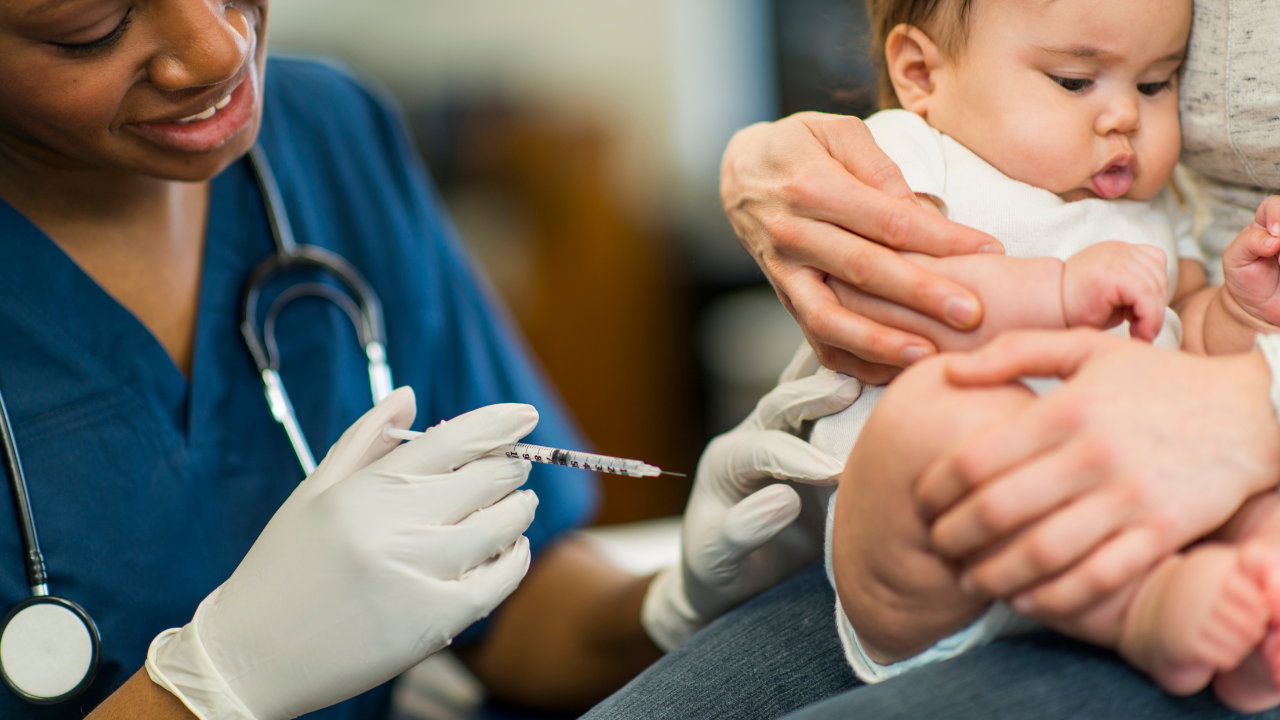
Image: Canva
What if a vaccination appointment is missed?
Missing a vaccine appointment because of illness, travel or family circumstances is common. The good news is that most vaccines do not need to be restarted. Instead, pediatricians follow a catch-up immunization schedule that allows children to receive the missed doses safely.Parents should contact their pediatrician as soon as possible to plan the next vaccination rather than waiting until the next scheduled visit.Disclaimer: This article is intended for informational purposes only and should not be considered a substitute for professional medical advice.