





We celebrate International Tiger Day every year on July 29. This day reminds the world that the fate of the tiger is inseparable from the fate of forests and for travellers and wildlife lovers, this day is more than a wildlife celebration. Just over a century ago, an estimated 100,000 wild tigers roamed Asia. Unfortunately, only a fraction survive. However amid this global decline, one country has emerged as the world’s greatest success story in tiger conservation: India.As per the National Tiger Conservation Authority (NTCA) and the latest All India Tiger Estimation, India now supports an estimated 3,682 wild tigers (with a minimum estimate of 3,167). This number is roughly three-fourths of the world’s wild tiger population. But India’s tiger recovery did not happen overnight. It was only after years of effort that it was possible.Launch of Project TigerThe turnaround began when Project Tiger was launched in 1973. It was followed by the creation of the National Tiger Conservation Authority (NTCA) in 2005. It is through scientific monitoring, anti-poaching patrols, habitat restoration and relocation of villages that the task was made possible. 58 tiger reserves in IndiaToday, India is proudly home to 58 tiger reserves spread across 18 tiger-range states. These cover nearly 84,500 square kilometres of protected landscapes. Why India’s forests became a tiger strongholdMany things worked in India’s favour, including:Healthy prey populations such as deer and wild boarDense forests Protected breeding habitatsWildlife corridors Tiger tourism in India
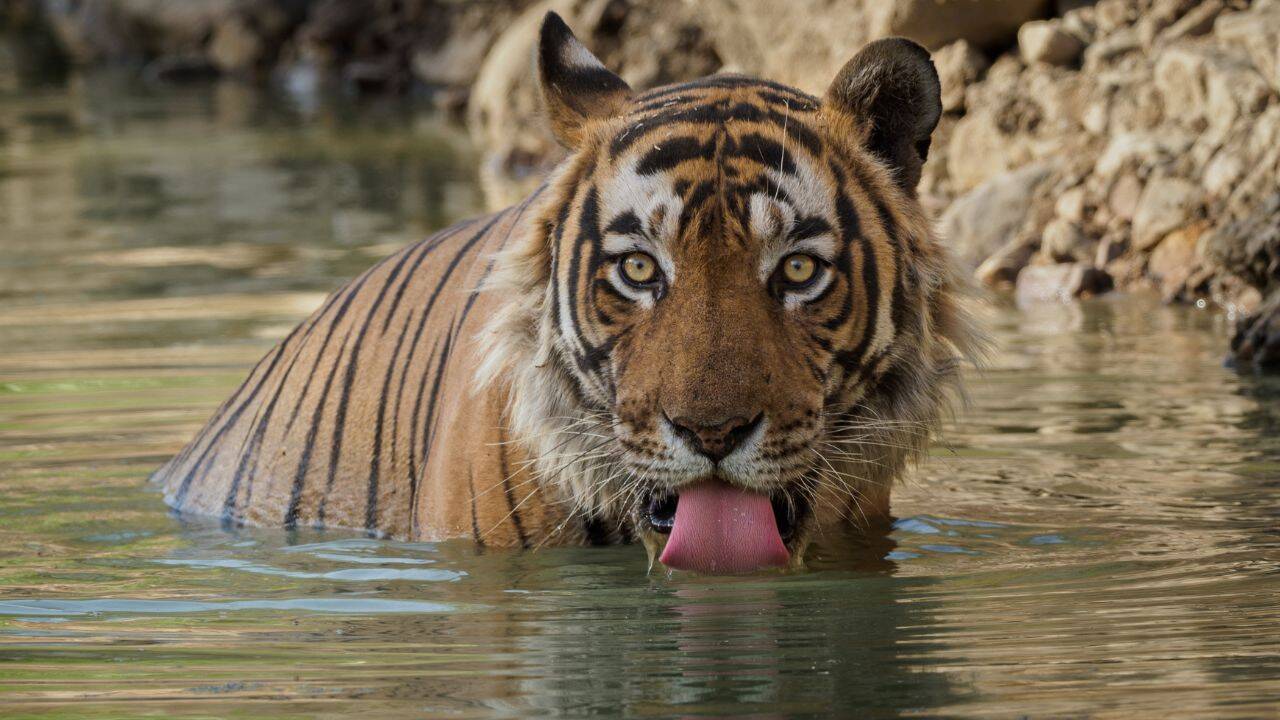
Tiger population in India
For travellers, India is a perfect place for tiger tourism.A number of villages near tiger reserves have witnessed significant economic boom thanks to safari tourism. Local residents now work as jeep drivers, naturalists, wildlife guides and forest guards. This has helped create livelihoods directly linked to protecting forests instead of exploiting them.Responsible tourism has also encouraged better infrastructure in remote regions.The success of India’s tiger reserves demonstrates that protecting biodiversity can also generate long-term tourism revenue.Top tiger reserves in India
- Bandhavgarh National Park, Madhya Pradesh
- Ranthambore National Park, Rajasthan
- Kanha National Park, Madhya Pradesh
- Tadoba-Andhari Tiger Reserve, Maharashtra
- Corbett National Park, Uttarakhand
- Sundarbans National Park, West Bengal
Travellers can make a difference by:
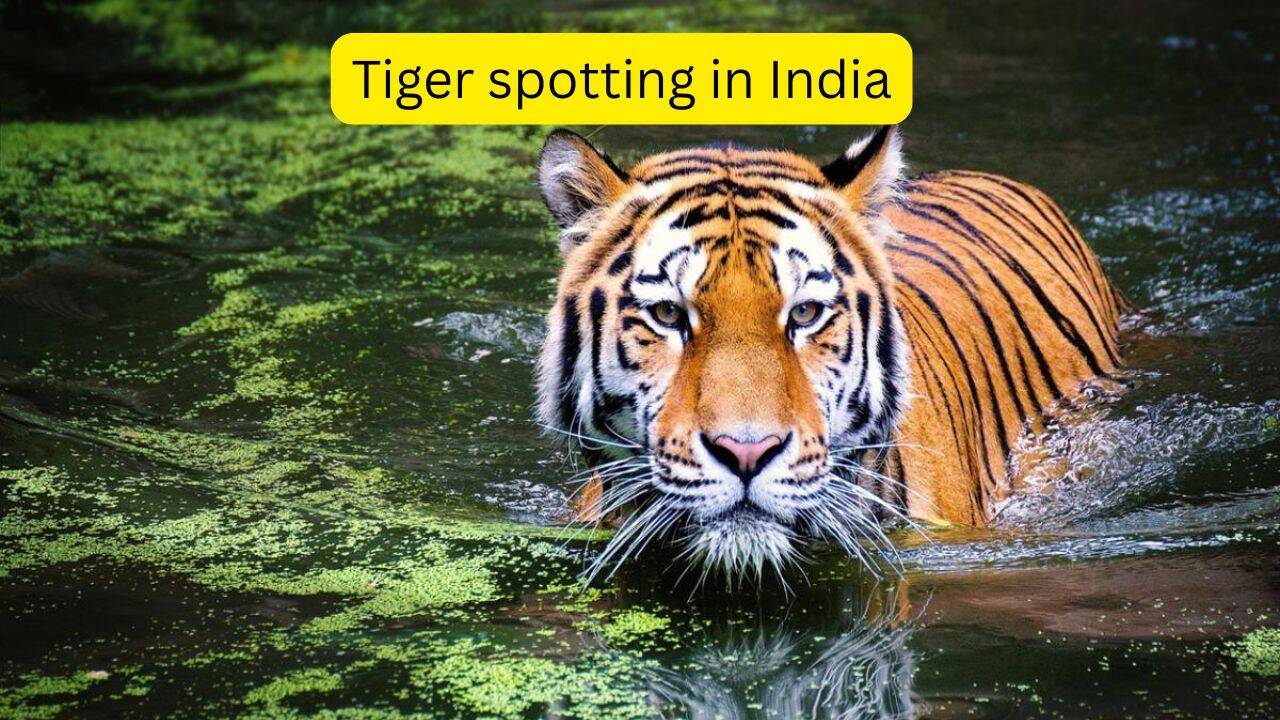
India’s most reliable safaris
- Choosing government-approved safari operators
- By staying in eco-certified lodges
- Avoiding littering
- Supporting local communities
- Visiting lesser-known tiger reserves
As the world celebrates International Tiger Day 2026, India stands not only as the country with the largest wild tiger population but also as a global example of how conservation and tourism can coexist.