




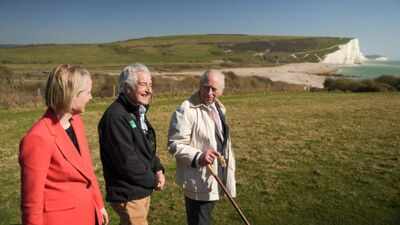
King Charles III opened the Seven Sisters National Nature Reserve in East Sussex in March 2026, marking a significant step in efforts to protect England’s wildlife, landscapes and water resources. Covering around 1,500 hectares, the reserve brings together important habitats along the south coast, including areas that support the rare short-snouted seahorse. It also protects part of a vital groundwater system that supplies water to the surrounding region. The new reserve forms part of a wider effort to restore nature while improving public access to the English coastline.
The 1,500-hectare reserve opened by King Charles protects a rare seahorse
According to the Royal Family’s official account of the visit on 19 March 2026, Seven Sisters is the UK’s first groundwater-inspired National Nature Reserve. Its importance lies in the connection between the landscape above ground and the water and wildlife it supports below and beyond the surface. The reserve’s chalk aquifer provides a habitat for rare species, including the short-snouted seahorse, while helping to maintain drinking water supplies. Protecting this landscape therefore serves two purposes, conserving wildlife and safeguarding a resource that nearby communities depend on.The reserve lies across the chalk hills of the South Downs, around Seaford and Eastbourne, and forms part of the Sussex Heritage Coast. The area is particularly well known for the white chalk cliffs that give the Seven Sisters landscape its distinctive appearance.South East Water explained in its case study that the reserve covers 1,500 hectares, including 250 hectares owned by the water company. Its land includes woodland, chalk heathland and chalk grassland, as well as Lullington Heath and Friston Forest.
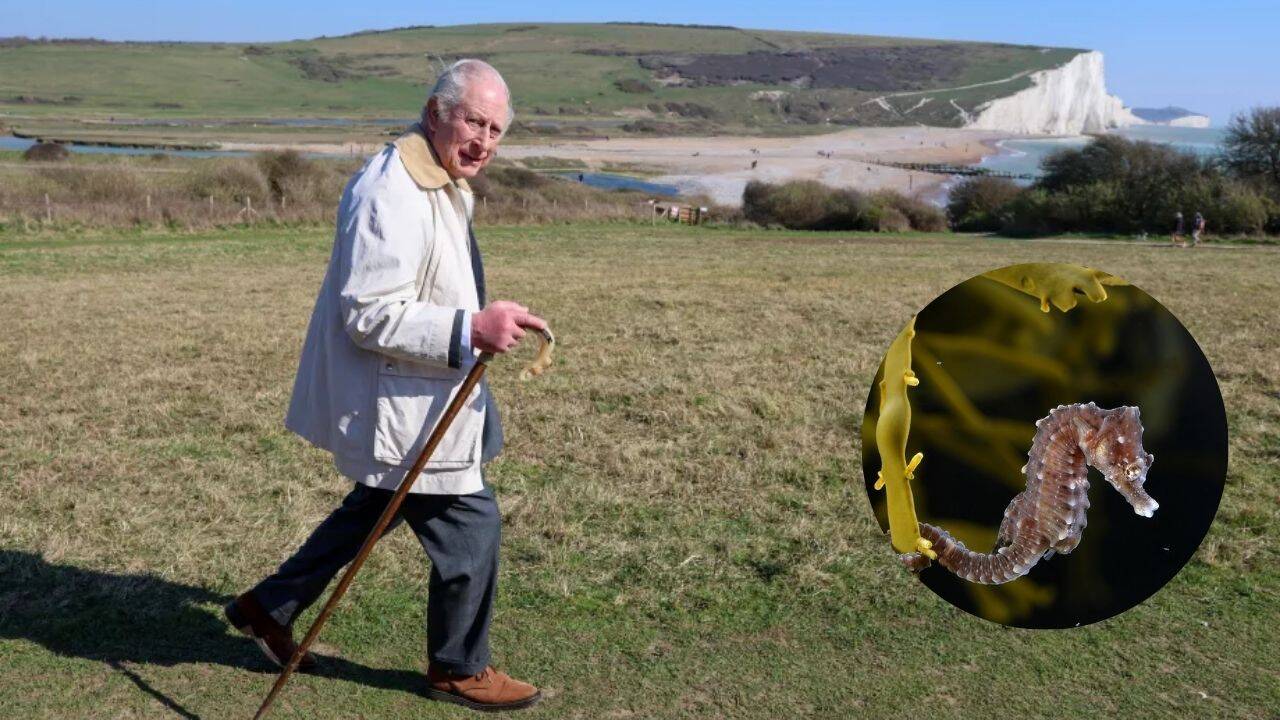
The Coast Path and the King’s Series of National Nature Reserves represent enduring commitments to protecting nature and improving public access to England’s coastline. Image Credit: Royal.uk/Website
Why is groundwater protection central to the project
Groundwater is water stored beneath the Earth’s surface, including in layers of rock that can hold and carry it. At Seven Sisters, the chalk aquifer is important because it supplies water to the surrounding area. South East Water reported that groundwater accounts for around 70% of the drinking water it supplies.Different habitats can play different roles in protecting water resources. According to South East Water, early findings suggest that restoring chalk grassland and heathland could benefit biodiversity and water supplies, while woodland can help protect water quality.The company plans to work with local landowners, farmers and other partners to support regenerative farming and nature-based solutions. These approaches are intended to protect the chalk landscape while helping maintain the water resources on which people living and working in the region rely.
What happened during King Charles’s visit
The Royal Family reported that the King visited East Sussex on 19 March 2026 to open the Seven Sisters National Nature Reserve and inaugurate the King Charles III England Coast Path. Accompanied by Tony Juniper, chair of Natural England, he walked two kilometres of the new coastal route and met people involved in establishing the reserve.The King also attended a reception at the Salt Marsh Cafe, hosted by the South Downs National Park Authority. Representatives of the local community, charitable organisations and partner bodies gathered to mark the occasion. Plaques were unveiled to formally open the reserve and inaugurate the coastal path.
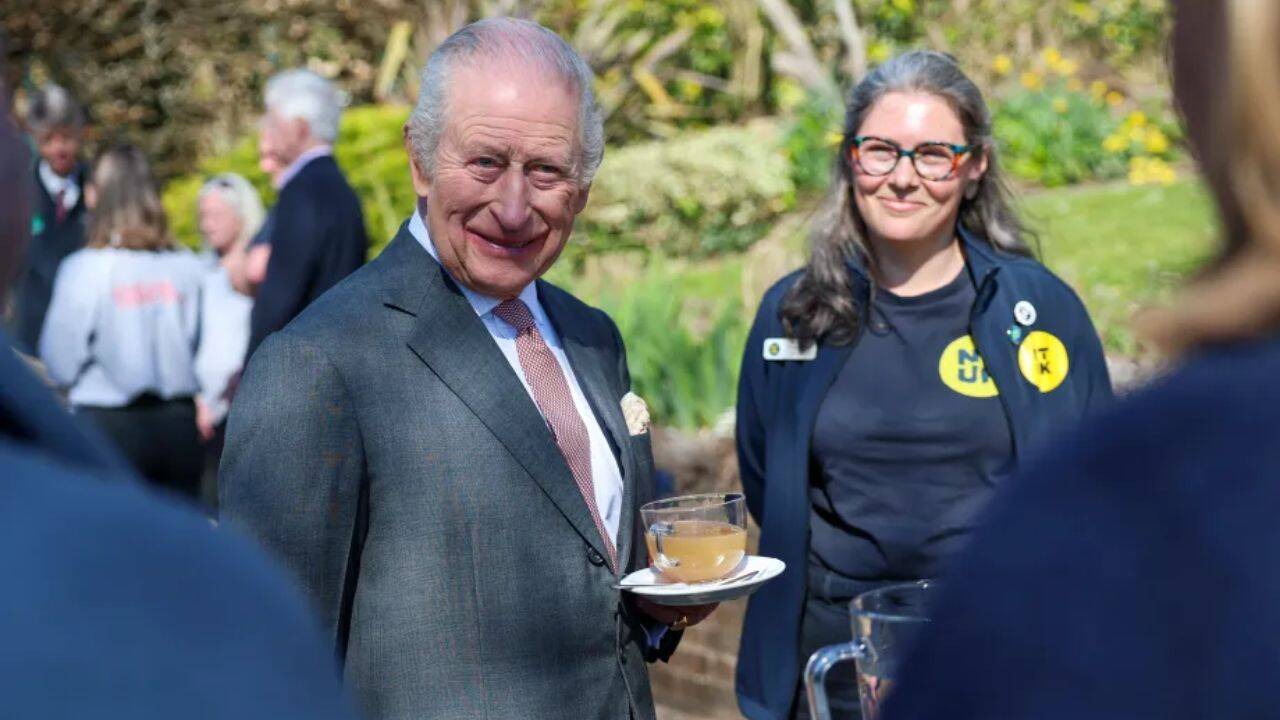
The King joined a reception at the Salt Marsh Café, hosted by the South Downs National Park Authority. Image Credit: Royal.uk/Website
How does the new coastal path widen public access
The King Charles III England Coast Path is a 2,700-mile National Trail that follows England’s coastline, including its inlets and estuaries. According to the Royal Family, it is the world’s longest continuous managed coastal walking route.The Royal Correspondent reported that the trail connects well-known landmarks with less-visited places and opens sections of the coastline to the public for the first time. Its route passes through a variety of landscapes, including chalk cliffs, salt marshes and ancient woodlands.At Seven Sisters, the opening of the path alongside the reserve creates an opportunity for visitors to experience a protected landscape while learning about its environmental importance. The challenge is to balance this access with the protection of sensitive habitats.
Importance of the reserve for England’s nature recovery plans
Natural England’s account described the opening as the halfway point in the King’s Series of National Nature Reserves. The initiative began in 2023 to mark the King’s Coronation and aims to create or expand 25 reserves by 2028.Seven Sisters became the 13th reserve in the series. Natural England said the 13 reserves declared so far covered a combined 65 square miles, including 4,500 hectares of land outside existing Sites of Special Scientific Interest. The programme is intended to create larger, better-connected areas where wildlife can recover and ecosystems can become more resilient to climate change.In its account, Natural England also highlighted the scale of public engagement with the reserves. Almost 1.4 million people live within 5 kilometres of a reserve in the King’s Series, which together receive an estimated 3 million visits each year.