



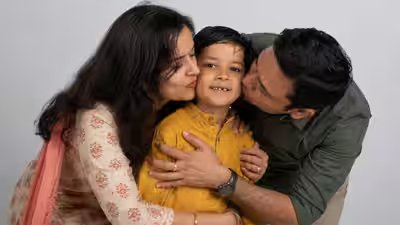
“She’s an only child, so she must be spoiled,” or “He’ll grow up lonely without siblings.” For generations, the image of the “spoiled, selfish and socially awkward” only child has been repeated in parenting conversations. But does science actually support these beliefs?Psychologists have been studying only children , and modern evidence paints a far more nuanced picture. While growing up without siblings does create a different family experience, it does not automatically determine a child’s personality, happiness or success.
28 Jul 2026 | 16:22
How do you teach children about money and financial responsibility?
Here is what the research really says about some of the most common stereotypes surrounding only children.
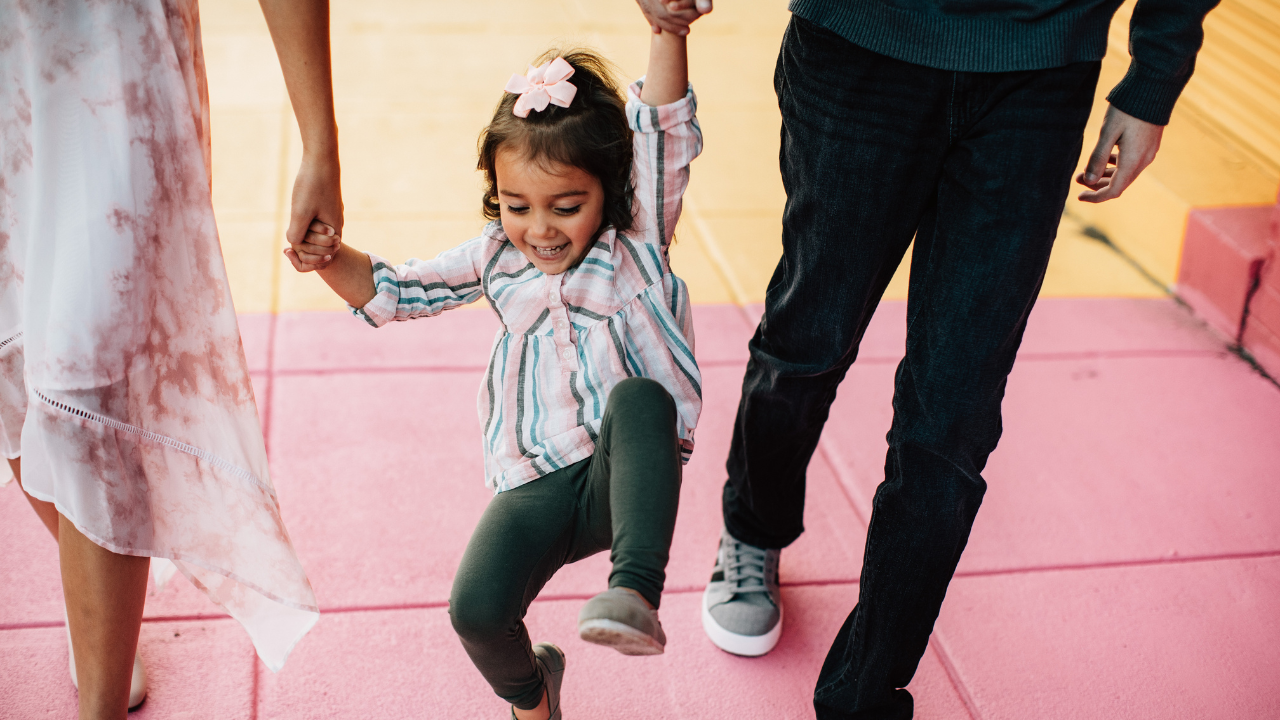
Image: Canva
This is perhaps the oldest stereotype of them all. This common belief comes from the late 1800s, when psychologist G. Stanley Hall claimed that being an only child is “a disease in itself.”However, scientific evidence now says it is mostly false. One of the most influential reviews, led by psychologist Dr Toni Falbo, analysed nearly 200 studies comparing only children with children from larger families. The review found no meaningful evidence that only children are more spoiled, selfish or psychologically disadvantaged than their peers.
“Only children are lonely.”
It has always been assumed that children without siblings may spend their childhood feeling isolated. However, research does not support this as a general rule.A 2021 study published in The American Journal of Orthopsychiatryfound that only children actually reported lower levels of loneliness than participants who had siblings. As per the researchers, this may be due to closer parental bond and investment.This is not to be confused that an only child will never feel loneliness. Like all children, they benefit from meaningful friendships, supportive adults and opportunities to socialise. Likewise, having siblings does not automatically protect children from loneliness either.
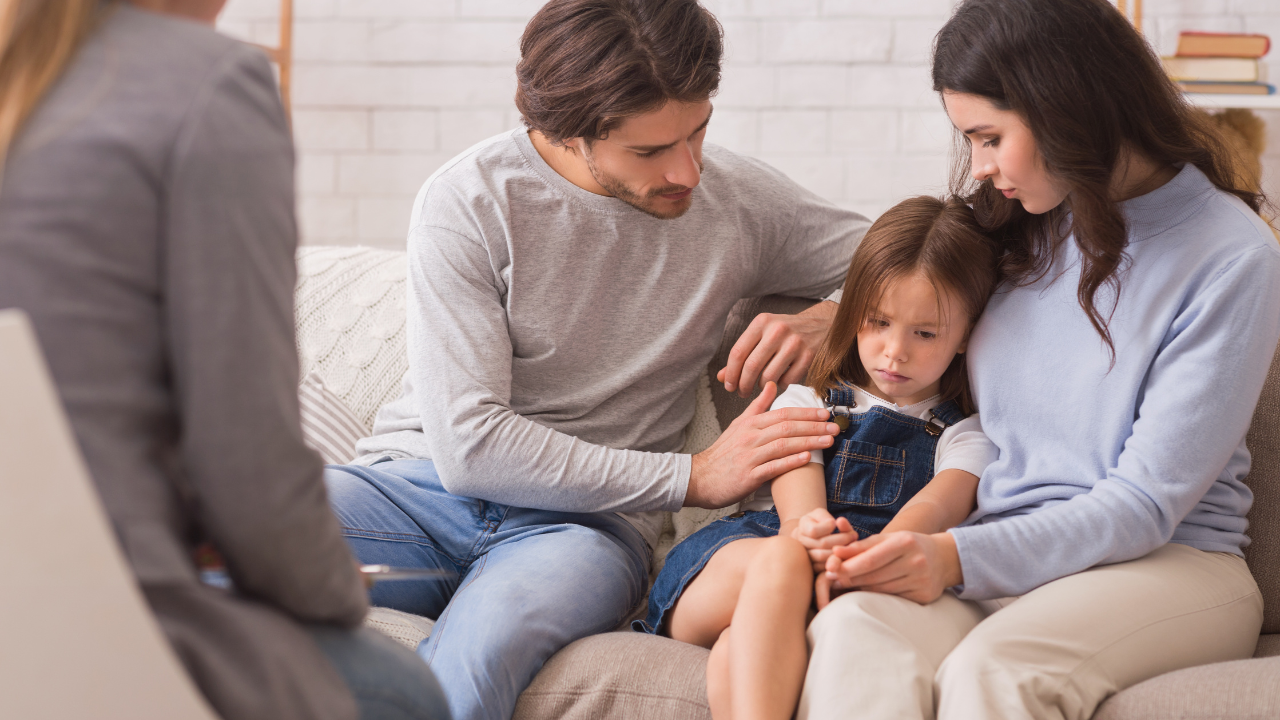
Image: Canva
“Only children don’t know how to socialise.”
Parents sometimes worry that without siblings at home, their child may struggle to make friends or resolve conflicts. However, according to an article published by the American Psychological Association (APA), psychologists have repeatedly found that only children are not significantly different from children with siblings in social adjustment. Children learn social skills not just at home but at many other places such as- school, playground and neighbourhood.
“Only children are closer to their parents.”
This stereotype has more support than many realise.APA notes that because only children do not have to share parental time and attention with siblings, they often have more frequent and intensive interactions with their parents. Only children have reported closer parent-child relationships than children from larger families.The point to be noted here is that family size alone does not determine relationship quality. Warm, responsive parenting matters far more than the number of children in the household.This suggests that for years, only children have been unfairly labelled as lonely, socially awkward or spoiled, however, research tells an entirely different story. While growing up without siblings certainly creates a different childhood experience, it does not predetermine a child’s personality or future. Psychologists agree that what shapes children most is not family size but the quality of their relationships, the support they receive and the opportunities they have to learn, play and connect with others.