



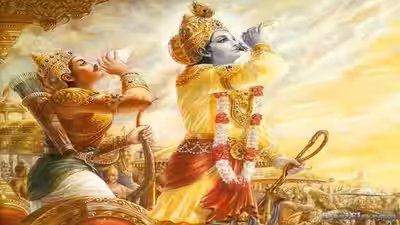
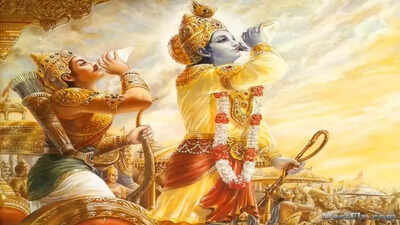
At twenty-nine, a fast bowler ruptures a ligament in his shoulder. The surgeon’s kind, but clear. He’ll never bowl at top speed again. The delivery that caused it goes on and on in his head for weeks. He wants to take it back.Some things cannot be changed. The Bhagavad Gita, Chapter 2, Verse 27, speaks directly to them. Krishna reminds Arjuna that whatever is born will die one day, and the cycle of life goes on. Over a matter that cannot be avoided, Krishna says there is no reason to grieve.
Apariharya Means Unavoidable
The key word here is apariharya, something that cannot be prevented or undone. Krishna separates such matters from those still open to choice.That separation is the first step. Energy spent fighting the unavoidable leaves little for what can still change.Grief Is Natural, Lingering Is a ChoiceKrishna does not mock Arjuna’s sorrow. He questions how long it should rule the mind.Feeling the loss of a career or a cherished plan is deeply human. Staying fixed on it for years is a separate matter.
Ask What Remains Possible
Once the fixed fact is accepted, a new question opens up. What can still be done from here?The bowler could not return to pace bowling. He could, however, start working towards his coaching qualifications.
Acceptance Brings Relief
Resistance keeps the body tense and the mind restless. Acceptance often feels like setting down a heavy bag after a long walk.Nothing outside has changed. The weight carried inside has.
Arjuna Faced the Hardest Facts
Krishna spoke this verse while Arjuna mourned relatives he had not yet lost. Forces far beyond his control had already set the war in motion.What remained in Arjuna’s hands was how he would meet it.
From the Crease to the Dugout
Verse 27 of Chapter 2 asks for calm acceptance of what is fixed, so that attention can turn to what is not.Two seasons later, the former bowler coaches his state’s under-19 side. One of his students took five wickets on debut last month.