



Gold prices, despite their recent correction, are still very high and the hike in gold import duties from 6% to 15% has raised the cost of jewellery further.Although prices have fallen since then, they are still nearly 28% above their level a year ago.So, even as gold prices remain elevated and taxes add to the cost, an increasing number of Indian buyers are now opting for cash transactions outside the formal system, and purchasing gold and jewellery without invoices that could leave a trail for authorities.
Gold being bought at discount with under-the-counter cash sales
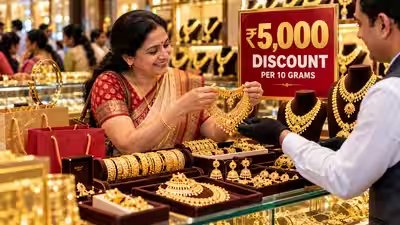
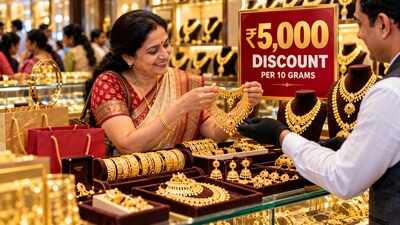
For bulk purchases, such off-the-record cash deals can bring prices down by as much as 6% from prevailing market rates, sources familiar with the trade told Bloomberg. Dealers who take cash can avoid certain taxes and share some of those savings with buyers.One middle-aged woman said she purchased jewellery for her daughter’s wedding at a discount of Rs 5,000 ($52) per 10 grams, but did not receive a receipt.For the 55-year-old homemaker, the savings were difficult to pass up after gold touched a record high earlier this year.“It was an offer I couldn’t refuse. Gold prices are way too high and we trust the jeweler,” she was quoted as saying.The woman is part of a growing pool of consumers moving toward this unofficial trade. The market has expanded since the government more than doubled import duties on gold and silver to 15%, in an effort to discourage purchases as India contends with a widening trade deficit. Retail buyers must also pay an additional 3% goods and services tax.The revival of this informal market is an unintended outcome of a policy intended to reduce India’s demand for gold.India, the world’s second-largest consumer of the metal after China, purchases gold for births, festivals and, most significantly, weddings. The metal is used as jewellery, given as gifts and held as a form of family savings. Since domestic production is limited, most of the country’s demand is fulfilled through imports, placing a significant burden on the trade bill and the currency.In India’s cash market, traders have managed to obtain gold at discounts of up to $200 an ounce compared with prevailing domestic prices, according to the people familiar with the trade. Prices can differ substantially across the fragmented informal market, where transactions are individually negotiated instead of being based on a common benchmark.“A discount of that magnitude in the parallel market primarily reflects the economics of unofficial supply,” said Hiren Chandaria, managing director, Middle East and Asia operations at London-based Monetary Metals. “Higher import duty creates a significantly greater incentive for gold to enter outside the official duty-paid channel.”The difference is much smaller for gold brought into the country through formal import channels. According to consultancy Metals Focus, discounts on landed prices for officially imported gold averaged around $50 an ounce in September.Retail buyers, meanwhile, can negotiate discounts of up to Rs 10,000 for every 10 grams, depending on how effectively they bargain and the relationship they have with the jeweler, the people said.
Gold imports second-highest after oil
Gold ranks as India’s largest imported commodity after oil and is a significant factor behind the country’s trade deficit. The deficit expanded to nearly $32 billion in July, its highest level so far this year.The cost of gold shipments rose by more than 32% year-on-year during the four months through July. The increase led Prime Minister Narendra Modi to make a second appeal within five months for Indians to cut back on purchases and help preserve foreign-exchange reserves. Gold imports subsequently fell sharply in August, dropping to less than half the level recorded a year earlier.India’s informal gold market has existed for decades, but when import duty was just 6%, there was little financial motivation for traders to avoid official channels. The latest duty increase has changed that equation, reviving the parallel trade just as the country heads into its wedding and festival season, which begins in mid-October and continues through early March.“At today’s gold prices, even a relatively small percentage difference translates into a significant absolute cost difference in rupee terms,” Chandaria said.