



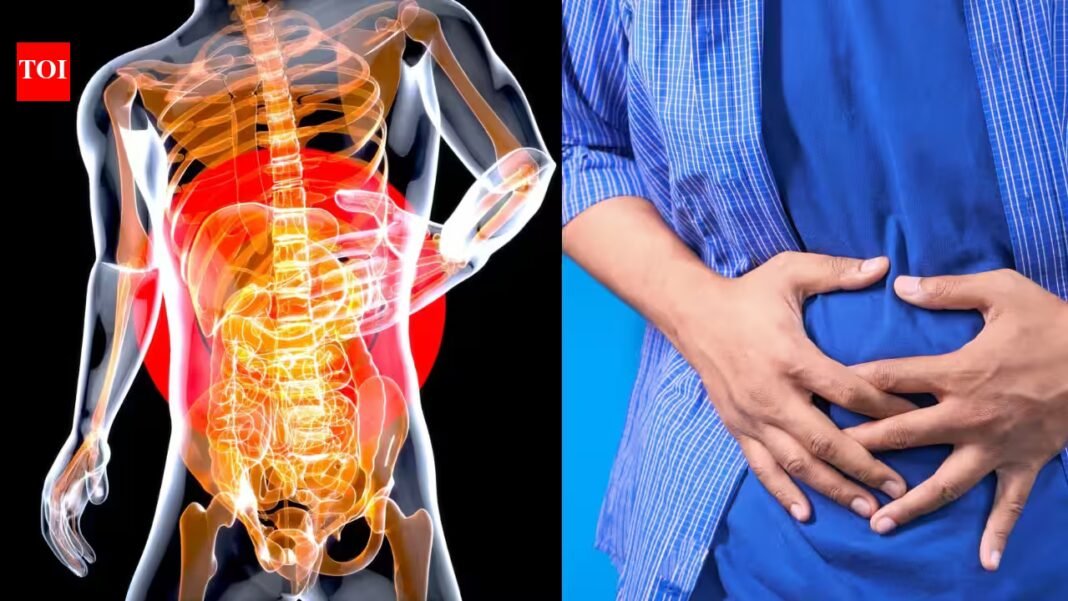

We do everything, from going to the gym and measuring our calories with every bite to avoiding junk food, and yet somehow we still end up dealing with bloating, fatigue and other health concerns. But have we ever stopped to think about whether our everyday habits, particularly when it comes to eating, could be affecting our liver health?While most of us spend most of our time reading the labels and measuring the nutritional value of our food, we do think about what we are eating, but how about when we eat? Could that also affect how our body reacts to those highly nutritious items? According to a new study, that midnight craving might be doing you more harm than you probably think.We all have midnight cravings. A few snacks or even a small energy bar are enough for us, especially in this day and age when irregular eating schedules have become fairly common, particularly with demanding work routines and jobs. But our bodies have an internal biological clock, and the liver is no exception. It follows a daily rhythm that helps regulate how the body processes nutrients, stores energy and manages fat. Eating at times when the body demands rest may interfere with these natural processes.To understand this connection, researchers from Oregon Health & Science University examined data from nearly 200,000 adults across long-running US health studies. Their findings suggested that people who regularly ate late at night had a higher rate of metabolic dysfunction-associated steatotic liver disease (MASLD), commonly known as fatty liver disease, as well as cirrhosis.
Why the timing of your meals may matter as much as what you eat
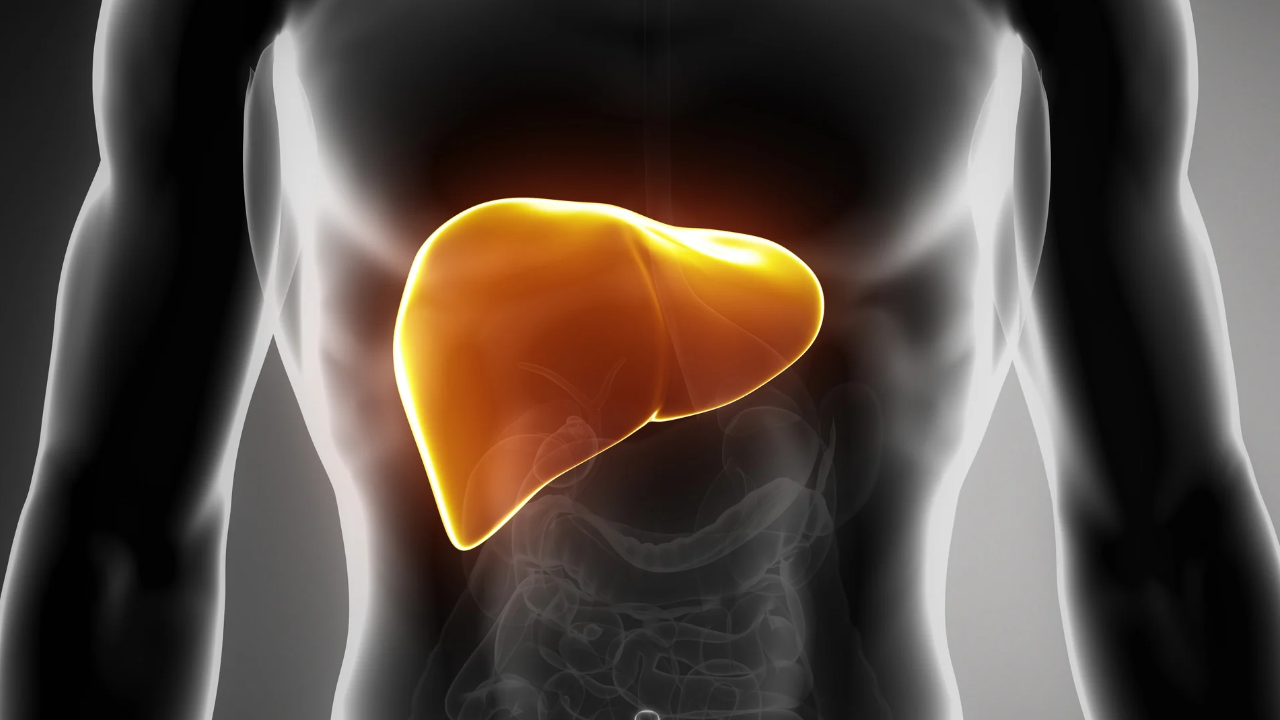
Representative image of a liver (Image- Canva)
As stated, our body works on a biological clock, which is known as the circadian rhythm, a natural 24-hour clock that helps the body regulate sleep and metabolism. And the liver is no exception. Moreover, our liver is one of the busiest organs in our body. Apart from filtering harmful substances, it also plays an important role in breaking down nutrients, regulating blood sugar and storing energy.When we eat late at night, we may be asking the body to process food at a time when it is naturally preparing for rest. The liver’s metabolic activity changes throughout the day, and eating against these natural rhythms may affect how it handles fats and glucose. This is one possible explanation researchers are exploring to understand why late-night eating could be associated with a higher risk of liver disease.
What did the researchers say?
The findings are quite striking. Our liver does not work in the same way throughout the day. Like several other organs, it follows an internal biological clock that regulates how it processes nutrients and manages energy. Eating late at night may interfere with this natural rhythm.The researchers found that people who reported eating late at night had a 36 per cent higher relative risk of developing metabolic dysfunction-associated steatotic liver disease (MASLD), while their risk of cirrhosis was 28 per cent higher compared with those who did not report this habit.The study analysed data from 199,155 participants across three long-running health studies: the Nurses’ Health Study, Nurses’ Health Study II and the Health Professionals’ Follow-Up Study. Participants were followed for a median of approximately 16 years. This gave researchers an opportunity to examine the relationship between eating habits and liver health over a longer period.
Can changing your meal timings make a difference?

Untimely eating against your body’s biological clock can put pressure on the liver and other organs (Image- Canva)
You do not necessarily have to give up your favourite midnight snacks or become overly conscious of every meal. But paying attention to when you eat could be a useful step towards better metabolic health. Researchers suggest that finishing your meals a few hours before bedtime and maintaining a more regular eating schedule may help your body work in sync with its natural biological clock.This does not mean that an occasional late-night meal will put your liver at risk. What matters is the pattern of your everyday habits. While more research is being done to understand the relationship between meal timings and liver disease more thoroughly, the findings offer an interesting reminder that eating well is not just about what goes on your plate, but also when you choose to eat it.