



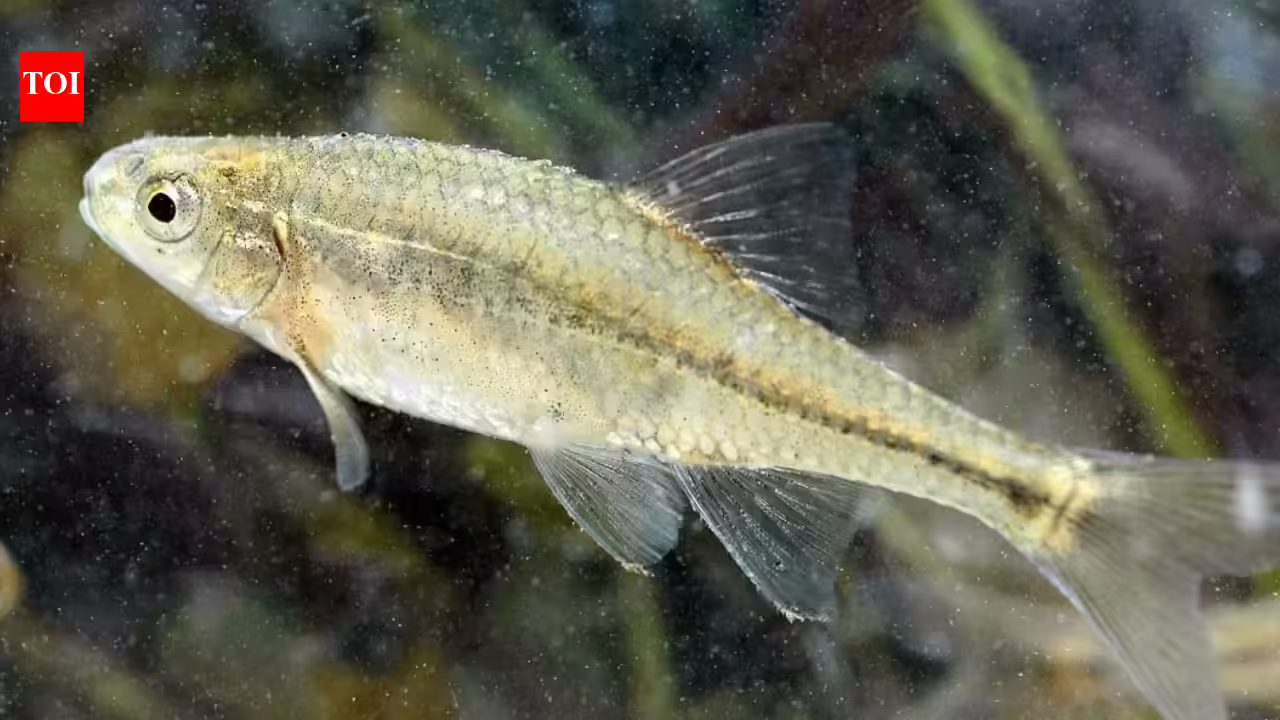
A tiny freshwater fish found only in Oregon quietly made conservation history after decades of being pushed to the brink of extinction. The Oregon chub, a species once reduced to fewer than 1,000 individuals across just eight known populations, was threatened by wetland destruction, river engineering and invasive fish. Many believed its future was bleak. However, years of habitat restoration, scientific monitoring and coordinated conservation efforts reversed its decline. Today, the Oregon chub’s population exceeds 140,000 across dozens of restored wetlands, making it the first fish in US history to recover enough to be removed from the Endangered Species List because of its successful recovery. Its remarkable comeback is now regarded as one of America’s greatest wildlife conservation achievements.
CJP Jantar Mantar Protest Updates
How conservation efforts helped the Oregon chub recover from the brink of extinction
The Oregon chub’s recovery did not rely on captive breeding or a single breakthrough. Instead, it resulted from more than two decades of restoring the fish’s natural habitat. Federal and state wildlife agencies, conservation groups, scientists and private landowners worked together to reconnect floodplains, restore wetlands, remove invasive fish and establish new populations across suitable habitats. By focusing on rebuilding entire ecosystems rather than simply protecting the remaining fish, conservationists gave the Oregon chub the conditions it needed to recover naturally.
What is the Oregon chub?
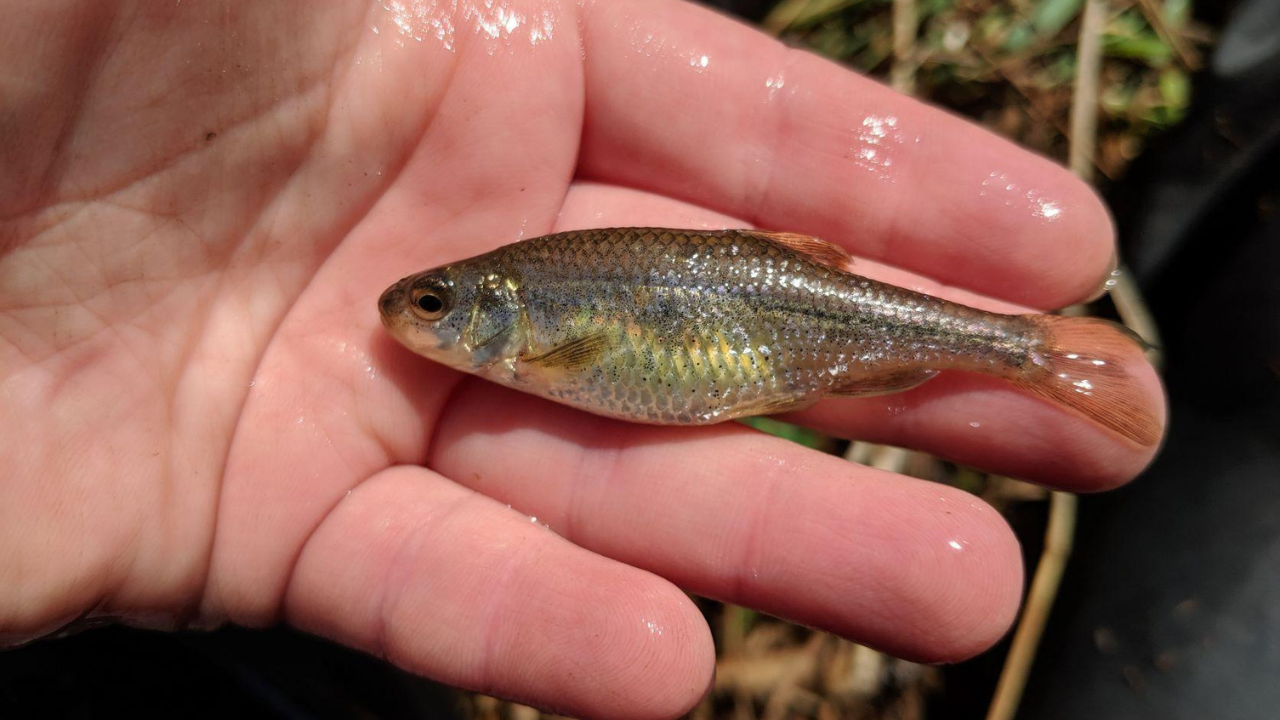
The Oregon chub (Oregonichthys crameri) is a small freshwater minnow found only in the Willamette River Basin of western Oregon. Growing to just 5 to 7.5 centimetres in length, it lives in calm backwaters, oxbow lakes, marshes and floodplain ponds rich in aquatic vegetation. Although tiny, it plays an important ecological role by forming part of the freshwater food web and serving as prey for larger native fish and birds.Because the species exists nowhere else on Earth, any changes to its habitat directly affect its survival. This restricted distribution made the Oregon chub particularly vulnerable to human activities that transformed the region’s rivers and wetlands during the twentieth century.
Why did the Oregon chub almost disappear?
For decades, wetlands throughout the Willamette Valley were drained or altered to make way for farming, urban development and flood-control projects. Rivers were channelled, floodplains were disconnected and many of the quiet ponds where Oregon chub thrived disappeared.The situation worsened when non-native fish such as largemouth bass, bluegill and crappie were introduced into local waterways. These invasive species preyed on Oregon chub and competed for food and habitat. By 1993, the fish survived in just eight known populations, with fewer than 1,000 individuals remaining, leading to its protection under the US Endangered Species Act.
The long road to recovery
Conservationists realised that protecting the remaining fish alone would not be enough. The wetlands themselves had to be restored. Over the following years, agencies including the US Fish and Wildlife Service and the Oregon Department of Fish and Wildlife worked with local partners to recreate floodplain ponds, reconnect side channels and improve water quality.Invasive fish were removed from key habitats, while Oregon chub were carefully introduced into restored wetlands to establish new populations. Scientists monitored these sites over many years, ensuring they continued to provide suitable conditions for breeding and survival.This long-term commitment proved far more effective than short-term interventions and became a model for freshwater conservation.
From fewer than 1,000 fish to more than 140,000
The results were extraordinary. What had once been one of America’s rarest freshwater fish gradually expanded into a thriving species. The Oregon chub population increased from fewer than 1,000 individuals in the early 1990s to more than 140,000 fish spread across more than 80 locations.The dramatic increase reduced the risk of extinction and demonstrated how restoring natural habitats can deliver lasting conservation outcomes. Instead of depending on intensive human intervention, the species was once again able to reproduce and sustain healthy populations in the wild.
A historic first for wildlife conservation
In 2015, the Oregon chub achieved a milestone that no other fish in the United States had reached before. It became the first fish ever removed from the US Endangered Species List because it had recovered successfully.The delisting represented much more than the survival of a single species. It validated decades of scientific research, habitat restoration and cooperation between government agencies, conservation organisations and local communities. The Oregon chub is now widely regarded as one of the clearest examples of the Endangered Species Act achieving its intended purpose.
Why wetland restoration matters
The Oregon chub’s recovery also highlights the broader importance of wetlands. These ecosystems naturally filter water, reduce flooding, recharge groundwater and provide breeding grounds for fish, amphibians, birds and countless invertebrates.When wetlands disappear, many species decline together. Conversely, restoring them benefits entire ecosystems rather than just one animal. The same restored habitats that now support the Oregon chub also provide healthier environments for other native fish, waterfowl and aquatic wildlife.As climate change increases pressure on freshwater ecosystems worldwide, protecting wetlands has become an increasingly important strategy for conserving biodiversity and strengthening natural resilience.
Lessons from the Oregon chub’s remarkable comeback
The Oregon chub demonstrates that even species on the verge of extinction can recover when conservation focuses on restoring habitats instead of treating only the symptoms of decline. Its success also shows that wildlife recovery requires patience. The transformation took more than two decades of sustained investment, scientific monitoring and collaboration between multiple organisations.Today, the tiny fish has become a global symbol of what determined conservation efforts can achieve. Once facing an uncertain future, the Oregon chub now stands as proof that restoring ecosystems can reverse biodiversity loss and create lasting environmental benefits. Its journey from near extinction to a historic recovery offers hope for countless other endangered freshwater species around the world.