



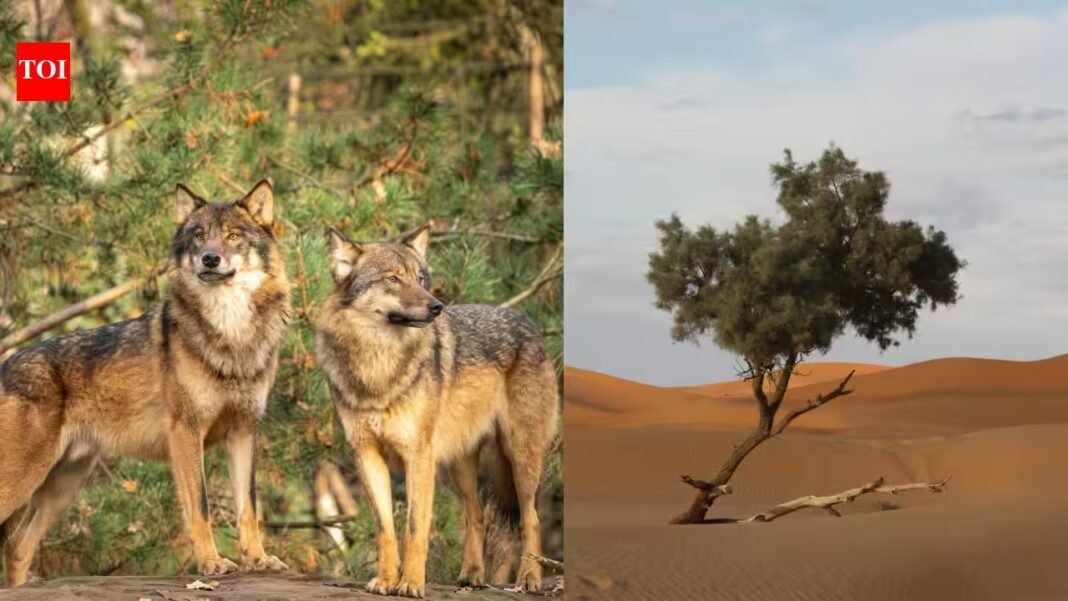
Deep in the Sahara Desert, where rain is rare and plants struggle to spread, an unlikely desert gardener may be at work. Researchers who sifted through hundreds of carnivore droppings found intact seeds from eight different plant species, suggesting that wolves and foxes may help desert vegetation spread across the landscape. If you have ever wondered how shrubs and palms reach new ground in such harsh country, the answer may be hiding in what predators leave behind. This article explains what scientists discovered, which animals favoured which fruits, and why those scattered seeds could matter for the fragile desert ecosystems.
How scientists searched 597 carnivore dropping samples in the Sahara Desert for hidden plant seeds
A research team including Inmaculada Cancio, José María Gil-Sánchez, Emilio Virgós and others set out to learn whether meat-eating mammals can move plant seeds across one of the most significant hyper-arid regions on Earth. Their 2026 study ‘Seed dispersal by carnivores in a hyper-arid habitat: insights from the Sahara Desert’ in the Journal of Arid Environments, which the authors present as the first evidence of its kind for the Sahara Desert, notes that other animals able to carry seeds are scarce there. The scientists collected 597 faecal samples from four carnivores, the North African golden wolf, the red fox, Rüppell’s fox and the honey badger. They measured how often seeds appeared in droppings, compared the fruits animals ate with the fruits actually available, and counted the undamaged seeds, contrasting optimal and less suitable habitat for germination.
Eight desert plant species found in droppings, including Ziziphus lotus, date palm and Ephedra alata
Seeds from eight plant species turned up, Ziziphus lotus, Lycium shawii, Asparagus altissimus, Searsia tripartita, Nitraria retusa, the date palm Phoenix dactylifera, Ephedra alata and Balanites aegyptiaca. They came from three canids, meaning members of the dog family, and one mustelid, the honey badger, a member of the weasel family. According to the authors, the frequency of occurrence of seeds in droppings ranged from 9.47 per cent to 35.29 per cent for each species and study period. In samples that contained seeds, the researchers found an average of 12.9 intact seeds per dropping, with a margin of error of 2.4. Intact seeds matter because a crushed seed rarely becomes a plant, whereas seeds that pass through the digestive tract with minimal damage may keep their ability to grow.
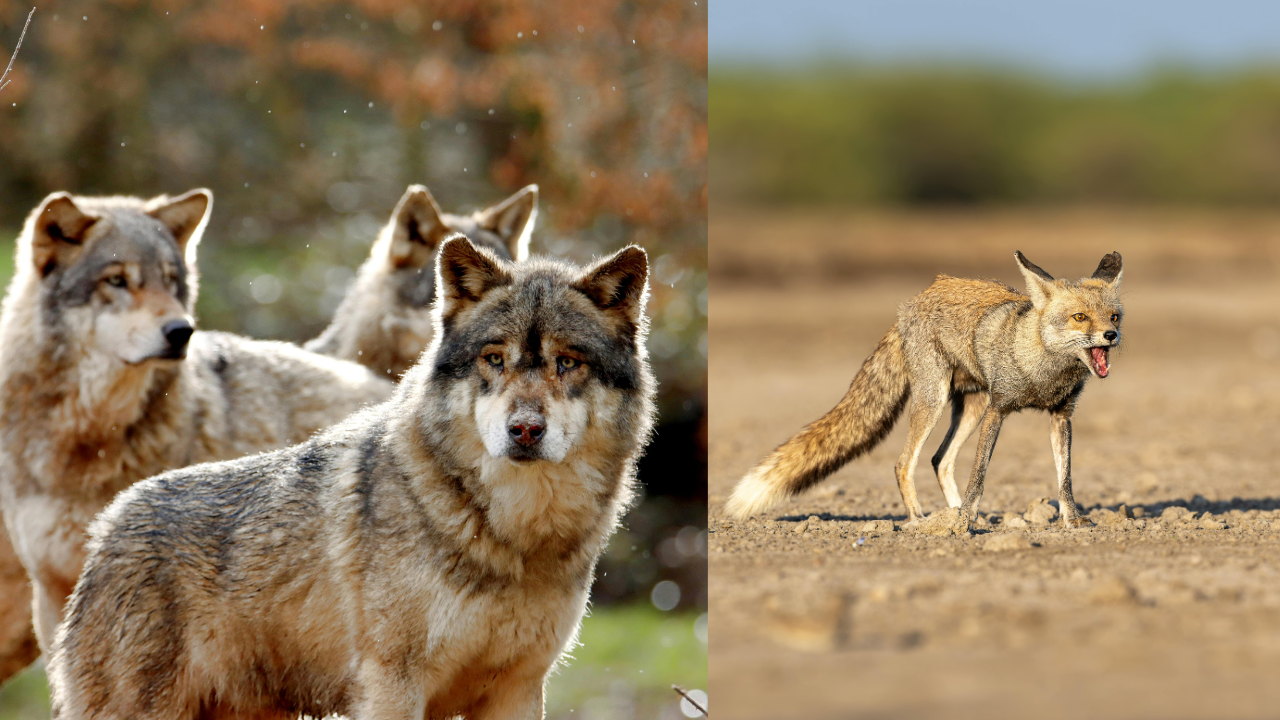
Wolves preferentially consumed the drupes of Ziziphus lotus, fleshy fruits with a hard stone inside, while foxes selected the berries of Lycium shawii and Asparagus altissimus (Images: Canva)
Why wolves favour one desert fruit while foxes choose berries from other shrubs in the Sahara Desert
Wolves and foxes showed different tastes. Wolves preferentially consumed the drupes of Ziziphus lotus, fleshy fruits with a hard stone inside, while foxes selected the berries of Lycium shawii and Asparagus altissimus. Because the team compared the fruits animals ate with those actually available, the pattern reflects selection rather than simple abundance. These animals are well suited to the job. The authors explain that carnivores can eat a wide variety of fruit sizes and types, and that canids and mustelids take fruit that has already fallen to the ground. Their large spatial requirements also make carnivores especially important as long-distance seed carriers, which can connect plant populations and help new areas become colonized. For a desert plant, that kind of reach could be invaluable.
Why seeds left in dry riverbeds and ravines could help desert vegetation take hold across the Sahara
The most striking result concerns where the seeds end up. Of the intact seeds found in droppings, 72.4 percent were deposited in habitats the team considered optimal for germination, namely dry riverbeds and secondary ravines, amounting to 1,038.9 undamaged seeds per square kilometer, with a margin of 351.1. That matters because the authors note that where seeds land often shapes dispersal quality more than how far or how many they travel. Based on these findings, they conclude that canids play an important role as seed dispersers in the Sahara Desert, and they suggest similar animal and plant partnerships could be relevant across other hyper-arid areas. With the Sahara described as one of the most poorly preserved ecoregions on Earth, the authors argue that studies like theirs are essential for its conservation.