



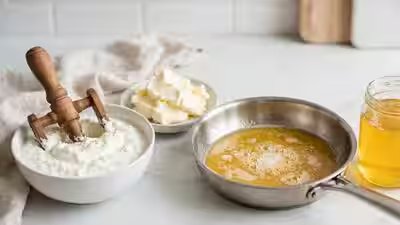
Ghee can be made at home from curd using a few simple steps. First, the curd is mixed with cold water and beaten until fresh butter separates from the buttermilk. The butter is then collected and washed well before it is heated slowly over a low flame. As it cooks, the butter melts, and the water evaporates. The milk solids settle at the bottom while the clear liquid turns golden and develops a rich aroma. The ghee is then strained and stored in a clean, dry jar. This traditional method takes more time than making ghee from ready-made butter, but it uses simple ingredients and basic kitchen steps. Fresh, full-fat curd and gentle heat are important for getting good results.
Simple steps to make ghee from curd at home
Use full-fat curd for making ghee
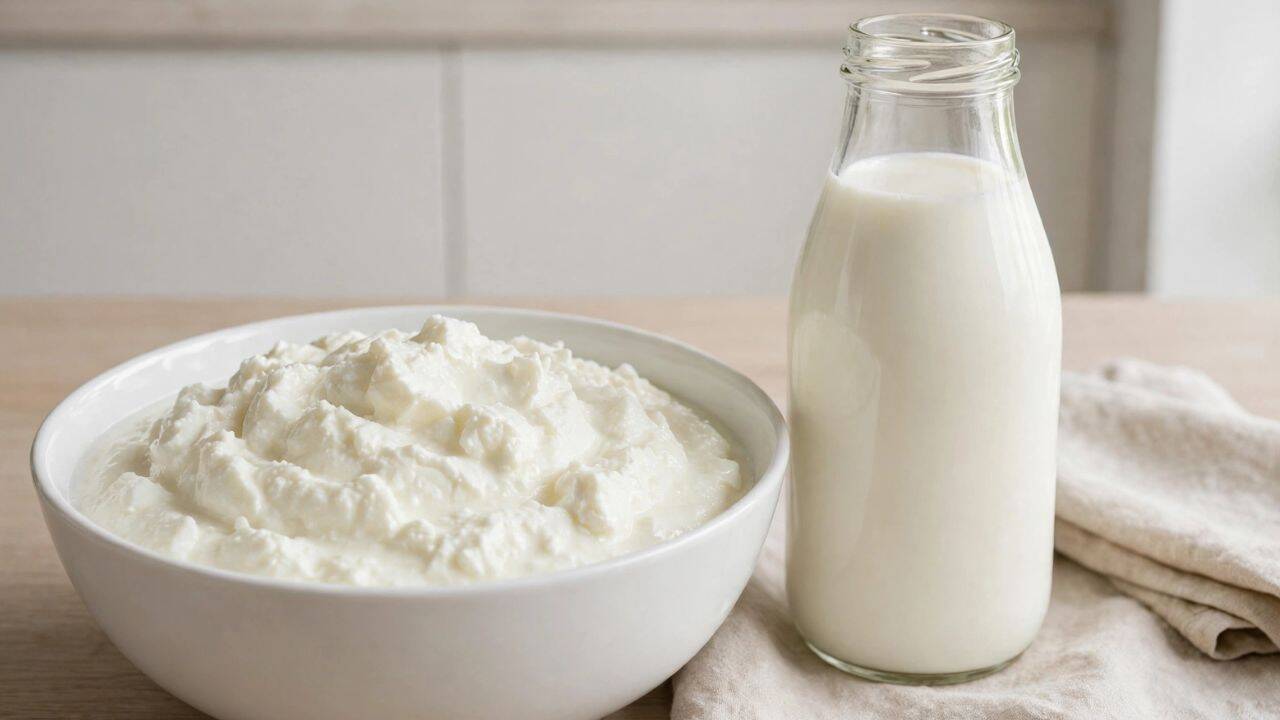
Fresh curd is the first step for making homemade ghee. Use plain curd that is not sweetened or flavoured. Full-fat curd is preferred because it can give more butter and a richer result. If you are making curd at home, the process can begin with whole milk. Heat the milk until it boils, then let it cool. Add a spoonful of sour curd and mix it well. Cover the vessel and leave it in a warm place for about eight to 10 hours. The milk should set into thick curd before you begin the next step.
PC: AI Generated
Add cold water and churn the curd
Place the chilled curd in a mixer jar and add cold water. You can use two to three cups of chilled water or the same amount as the curd. Blend the mixture in short pulses instead of running the mixer continuously. Stop the mixer every few seconds and check if the butter is starting to separate. Small pale yellow pieces will begin to appear and slowly come together to form soft lumps of butter. The thin liquid that remains is buttermilk. Keep blending in short pulses until the butter has clearly separated from the buttermilk.
Rinse the butter to remove buttermilk
Once the butter has separated, collect it carefully from the buttermilk. The butter needs to be washed before it is heated. Place the butter in ice-cold water and gently rinse it with your hands or use a fine strainer. This helps remove any buttermilk that may remain in the butter.Repeat the washing with fresh cold water two or three times until the water looks clean. Removing the leftover liquid is an important step because leftover buttermilk can cause the butter to burn while heating.
Melt the butter over low heat
Place the butter in a clean, heavy pan and heat it over the lowest flame. Let it melt slowly without stirring too much. The butter will first turn into a cloudy yellow liquid and begin to bubble as the water evaporates. As the butter cooks, the bubbles will slowly become smaller and less frequent.The liquid will also start to look clearer. The milk residue will settle at the bottom and gradually turn light brown. The ghee is ready when it becomes clear and golden and develops a rich aroma. Turn off the heat at this stage and remove the pan from the stove.
Strain and store the ghee
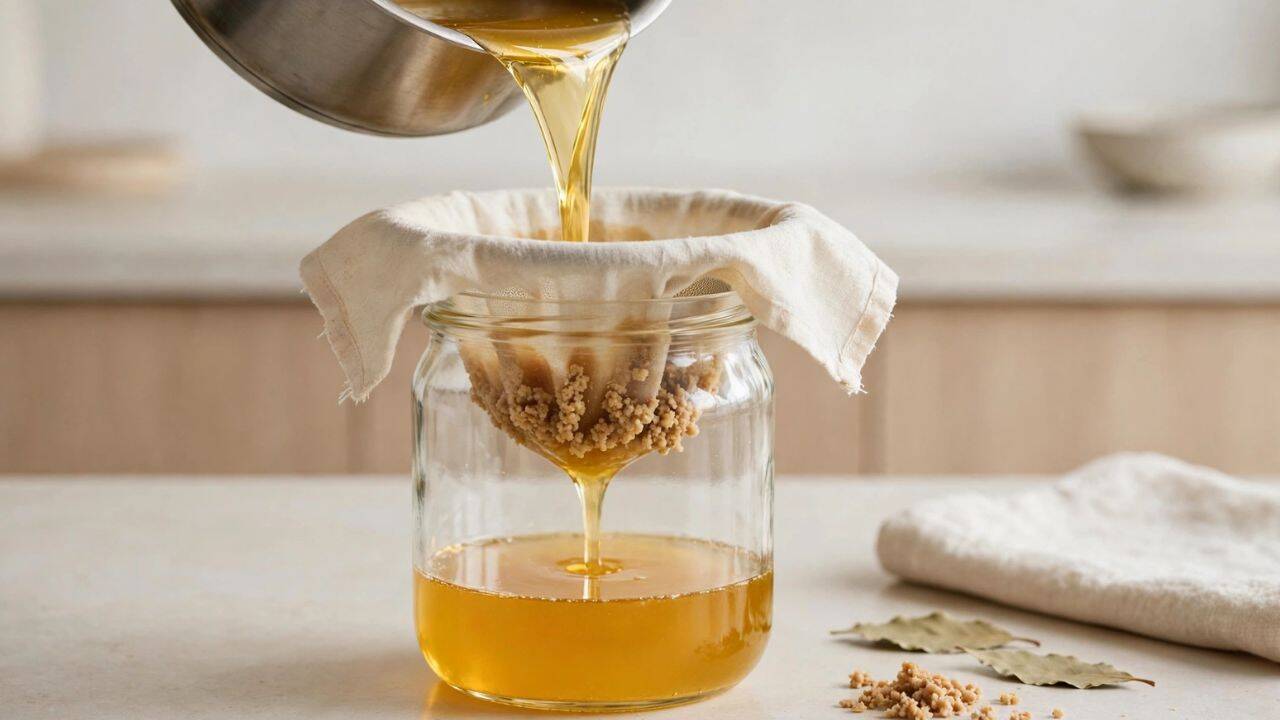
Once the solids at the bottom turn light brown, take the pan off the heat. Leave it for about 10 minutes so the solids settle. Place a clean strainer over a completely dry glass jar and cover it with a clean thin cloth.Slowly pour the warm ghee through the cloth to remove the remaining solids. Let the ghee cool to room temperature. It will become thicker as it cools. Close the jar tightly and keep it in a cool, dry place. Always use a clean, dry spoon while using ghee from the jar.
PC: AI Generated
Common mistakes to avoid while making ghee from curd
Do not use sweetened or flavoured curd
Avoid using curd that contains sugar or added flavours while making ghee. Plain curd should be used for this method. Sweetened or flavoured curd can affect the taste and smell of the finished ghee. Fresh curd made from full-fat milk is preferred. If using packaged curd, choose one that is fresh and free from added flavours and preservatives. Starting with the right ingredient makes the rest of the process easier and helps keep the natural taste of the ghee.
Wash the butter before making ghee
Do not put freshly collected butter straight into the pan without washing it. Some buttermilk can remain inside the butter after churning. If this liquid is left, it can make the butter burn during heating. Wash the butter gently in ice-cold water and repeat the process with fresh water two or three times. This simple step helps remove the leftover liquid and prepares the butter for slow heating.
Do not use high heat
Do not use a high flame to make the ghee faster. Keep the butter on a low flame and let it melt slowly. It will first melt and bubble as the water evaporates. The liquid will then become clearer while the milk residue settles at the bottom. High heat can make the residue brown too quickly and can give the ghee a burnt taste.